
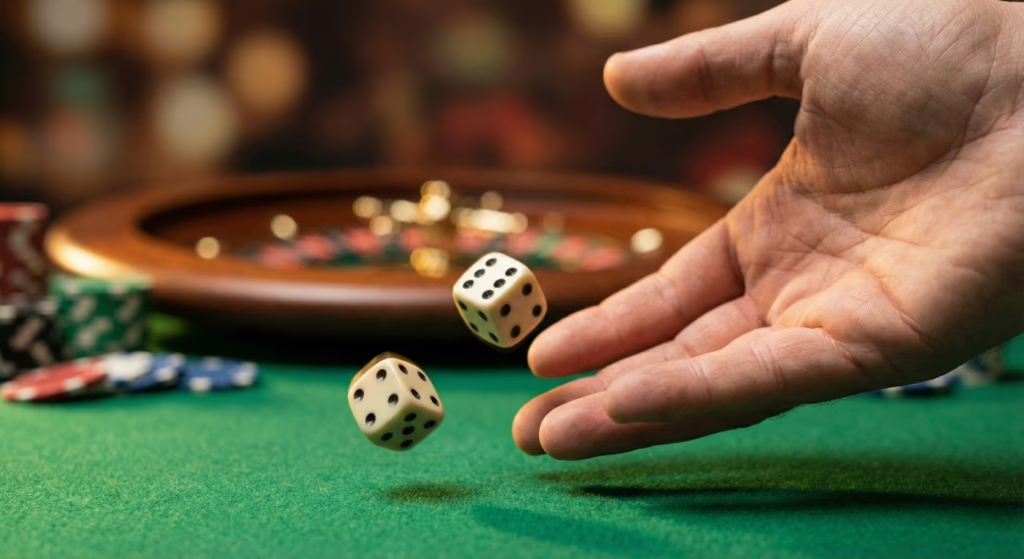
Gambling has fascinated humans for thousands of years, long before modern casinos or online platforms existed. People have always been drawn to uncertainty, especially when it carries the promise of reward. The unknown outcome creates a sense of suspense that keeps the mind alert and engaged. This tension between hope and risk is one of the strongest emotional experiences the brain can produce.
The human mind is wired to pay attention to what might happen next. Uncertainty activates curiosity and imagination, making even simple games feel meaningful. The moment before the result is revealed can feel more exciting than the outcome itself. This emotional build up explains why people often return to gambling even when they do not win.
The Role of the Brain’s Reward System
At the heart of gambling behavior lies the brain’s reward system. This system releases dopamine, a chemical linked to pleasure and motivation. Dopamine surges not only when people win but also when they anticipate a possible win. This anticipation is often more powerful than the reward itself.
The brain begins to associate gambling with excitement and possibility. Over time, this connection strengthens, making the activity feel compelling. Even small wins or near misses can trigger dopamine release. This keeps the brain engaged and encourages repeated behavior.
Why Winning Feels So Powerful
Winning in gambling feels intense because it combines surprise, reward, and validation. The sudden success creates a rush that feels both emotional and physical. The brain interprets this as a meaningful event, even when the outcome was based on chance.
This powerful feeling can linger long after the game ends. People remember wins more vividly than losses, which distorts perception. The mind starts to believe that winning is more likely than it truly is. This bias plays a major role in why gambling remains appealing.
The Psychology of Near Misses
Near misses are moments when a person almost wins but falls just short. These moments feel frustrating yet strangely motivating. The brain responds to near misses in a similar way as actual wins.
Instead of discouraging behavior, near misses increase motivation to try again. They create the illusion that success is close and achievable. This psychological trick keeps people engaged even when losses pile up.
Control and the Illusion of Skill
Many forms of gambling create a sense of control, even when outcomes are random. Players may believe their choices, timing, or strategies influence results. This illusion of control makes gambling feel more like a skill than a game of chance.
Feeling in control boosts confidence and reduces anxiety. It also encourages continued participation. The belief that success depends on personal ability makes losses easier to justify and wins feel more deserved.
Emotional Escape and Relief
Gambling often serves as a temporary escape from stress or emotional discomfort. The intense focus required during play distracts the mind from worries and responsibilities. For a moment, everything else fades into the background.
This emotional escape can feel soothing, especially for people dealing with boredom, loneliness, or anxiety. The excitement provides relief from routine and emotional heaviness. Over time, some people begin to rely on gambling as a coping mechanism.
The Social Side of Gambling
Gambling is not always a solitary activity. Casinos, betting platforms, and social games create a shared experience. People bond over excitement, shared hopes, and collective reactions.
Social interaction adds another layer of enjoyment. Laughter, conversation, and shared anticipation make the experience more memorable. Feeling part of a group enhances emotional satisfaction and reinforces the desire to return.
The Influence of Culture and Media
Culture plays a significant role in shaping attitudes toward gambling. Movies, advertisements, and stories often portray gambling as glamorous or heroic. These images create positive associations and normalize the behavior.
Repeated exposure to such messages influences expectations. People begin to view gambling as a fun and acceptable form of entertainment. This cultural framing makes it easier to overlook risks and focus on excitement.
The Thrill of Risk Taking
Risk itself can be pleasurable. The body responds to risk with heightened awareness and adrenaline. This physical reaction can feel energizing and alive.
Some people crave this sensation more than others. For them, gambling satisfies a desire for stimulation and intensity. The unpredictability keeps the experience fresh and engaging.
Why Losses Do Not Always Stop People
Logically, repeated losses should discourage gambling. Psychologically, however, losses often have the opposite effect. People may chase losses in an attempt to recover what they have lost.
This behavior is driven by emotion rather than reason. The desire to restore balance or prove competence becomes powerful. As a result, people continue playing even when it no longer feels enjoyable.
The Role of Hope and Optimism
Hope plays a central role in gambling behavior. The possibility of a life changing win keeps people engaged. Even small chances can feel meaningful when the reward is large.
Optimism bias leads people to believe they are more likely to succeed than others. This belief fuels persistence and minimizes perceived risk. Hope becomes a powerful motivator that overrides logic.
Gambling and Identity
For some individuals, gambling becomes part of their identity. They see themselves as risk takers or strategists. This self image reinforces the behavior and makes it harder to stop.
Identity based behavior is especially strong because it connects actions to self worth. Quitting gambling may feel like losing a part of oneself. This emotional attachment adds complexity to the psychology of gambling.
The Impact of Environment and Design
Gambling environments are carefully designed to enhance engagement. Lighting, sounds, and layout are all chosen to maintain focus and excitement. These elements reduce awareness of time and money spent.
The absence of clocks or windows helps create a sense of timelessness. This makes it easier to stay longer than intended. Environmental cues subtly encourage continued participation without conscious awareness.
Why Small Wins Matter So Much
Small wins play an important role in keeping people engaged. They provide positive feedback without significant cost. These wins act as reminders that success is possible.
The brain treats small wins as validation. Each win strengthens the emotional connection to the activity. Over time, these moments accumulate and reinforce gambling behavior.
The Emotional Cycle of Gambling
Gambling often follows a predictable emotional cycle. It begins with anticipation and excitement. This is followed by tension during play and either joy or disappointment afterward.
The cycle itself becomes familiar and comforting. Even negative emotions feel meaningful within this pattern. This familiarity makes it harder to break away from the habit.
Individual Differences in Gambling Behavior
Not everyone experiences gambling in the same way. Personality traits, life experiences, and emotional states all influence behavior. Some people can gamble casually without issue, while others become deeply affected.
Factors such as impulsivity, sensation seeking, and emotional vulnerability increase risk. Understanding these differences helps explain why gambling impacts people so differently.
The Thin Line Between Fun and Harm
Gambling becomes harmful when it interferes with daily life or emotional well being. What starts as entertainment can slowly shift into compulsion. The change often happens gradually and goes unnoticed.
Awareness is key to maintaining balance. Recognizing early signs of problem behavior allows for healthier choices. Gambling itself is not inherently bad, but unchecked behavior can lead to serious consequences.
The Psychology of Quitting
Stopping gambling can be emotionally challenging. The brain misses the stimulation and reward it has grown used to. Feelings of restlessness or boredom often appear during this phase.
Recovery involves rebuilding healthier sources of excitement and meaning. Support, self reflection, and patience play important roles. Over time, the brain adapts and finds balance again.
Finding Healthier Sources of Excitement
Humans naturally seek excitement and novelty. Gambling is just one of many ways to fulfill this need. Creative pursuits, physical activity, and social connections can offer similar rewards without the risks.
Replacing gambling with positive alternatives helps satisfy emotional needs. This shift reduces reliance on chance based excitement. Over time, fulfillment becomes more stable and sustainable.
Final Thoughts on Why People Enjoy Gambling
Gambling appeals to deep psychological forces that shape human behavior. It combines hope, risk, reward, and emotion into a powerful experience. The thrill of uncertainty and the promise of reward make it hard to resist.
Understanding the psychology behind gambling brings clarity and awareness. It reveals that enjoyment comes not just from winning, but from the emotions surrounding the experience. With insight and balance, people can better understand their relationship with risk and choice.