
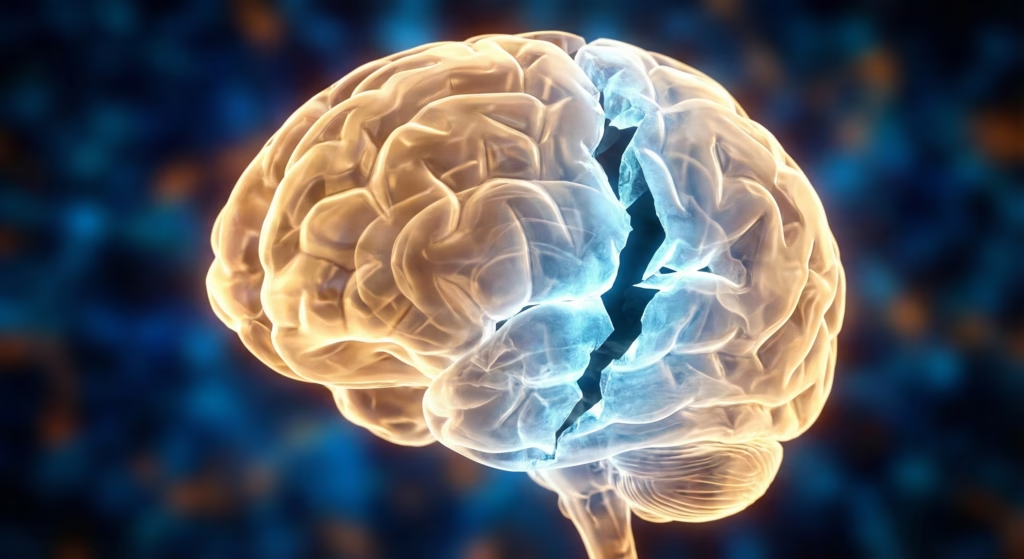
Trauma occurs when an experience overwhelms the mind’s ability to cope. It is not defined only by what happens but by how the person experiences it. Psychology explains that trauma can come from sudden events ongoing stress or situations where safety and control are lost.
When the mind feels trapped or threatened, it shifts into survival mode. This response helps in the moment but can linger long after the danger has passed.
The Brain Learns to Stay Alert
After trauma the brain often remains on high alert. Areas responsible for detecting danger become more active. This makes the mind quick to notice potential threats even in safe environments.
Psychology shows that this heightened awareness is an attempt to prevent future harm. It explains why people may feel jumpy restless or easily startled. The mind is trying to protect itself.
Memory Changes After Trauma
Trauma affects how memories are stored and recalled. Some memories may feel fragmented blurry or out of order. Others may return vividly through intrusive thoughts or flashbacks.
Psychology explains that during trauma the brain prioritizes survival over memory organization. As a result memories may not integrate smoothly. They can surface unexpectedly when something feels similar to the original experience.
Emotions Become Harder to Regulate
Trauma often disrupts emotional regulation. Feelings may swing between numbness and intensity. Some people feel disconnected from emotion while others feel overwhelmed by it.
Psychology explains that the emotional system remains sensitive after trauma. The mind struggles to return to balance because it is still watching for danger.
The Sense of Safety Shifts
One of the deepest effects of trauma is a change in how safe the world feels. Trust in people environments or even oneself may weaken.
Psychology shows that trauma reshapes beliefs about safety control and predictability. This can lead to avoidance withdrawal or constant worry. These behaviors reflect protection rather than weakness.
Trauma Influences Identity and Self Belief
Trauma can affect how people see themselves. Beliefs such as I am broken or I am not safe may develop. These beliefs grow from the experience rather than truth.
Psychology emphasizes that trauma does not define a person. It influences perception and self story. Healing involves separating identity from the traumatic experience.
The Body Holds Trauma Too
Trauma affects the mind and body together. Physical symptoms like tension fatigue or pain often accompany psychological effects.
Psychology explains that the body remembers through sensations. This mind body connection explains why trauma can surface physically even when thoughts are quiet.
Relationships Feel Different After Trauma
Trauma often changes how people relate to others. Closeness may feel threatening or exhausting. Boundaries may feel rigid or unclear.
Psychology shows that these changes reflect survival adaptations. The mind is trying to prevent further harm while longing for connection at the same time.
Healing Is Possible and Gradual
Healing from trauma is not about forgetting. It is about creating safety in the present and integrating the past. Psychology highlights the importance of patience support and understanding.
The mind slowly learns that the danger has passed. With time trust and care the nervous system can settle and balance can return.
Understanding Trauma Creates Compassion
Understanding how trauma affects the mind reduces shame and self blame. Reactions that feel confusing begin to make sense.
Psychology reminds us that trauma responses are signs of a mind that survived. With compassion and support those responses can soften and transform. Healing honors the strength that carried someone through while allowing space for peace to grow.