
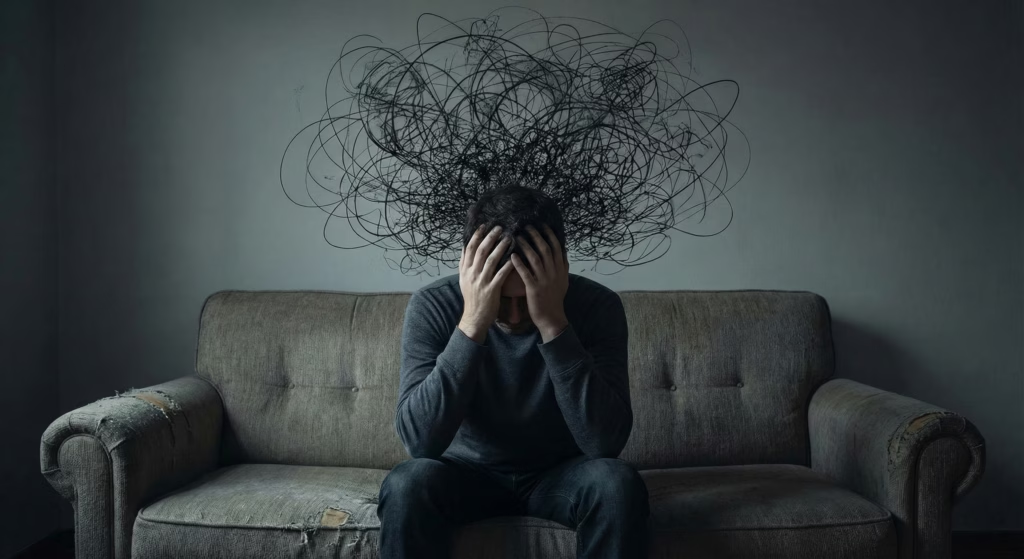
Depression does not only affect mood. It changes the way the mind processes everyday life. Many people describe it as if their thoughts slow down darken or turn against them. This shift often happens gradually which makes it hard to notice at first.
Psychology explains that depression alters thinking patterns rather than intelligence or character. The mind is still capable but it begins to interpret the world through a heavier lens.
The Mind Becomes More Self Critical
One of the most common changes is an increase in harsh self talk. Thoughts may sound judgmental unforgiving or absolute. Small mistakes feel enormous. Past regrets replay endlessly.
Depression pushes the mind to focus on perceived flaws while ignoring strengths. This does not reflect truth. It reflects how depression filters information.
Negative Thoughts Feel More Believable
Depression makes negative thoughts feel convincing. Even kind words from others may bounce off while criticism sticks deeply.
Psychology explains that depression lowers cognitive flexibility. The mind becomes less able to question its own thoughts. This makes pessimistic ideas feel like facts rather than interpretations.
Concentration Becomes Harder
Many people with depression struggle to focus. Reading feels exhausting. Decisions feel overwhelming. Simple tasks require more mental effort.
This happens because depression drains mental energy. The brain spends so much effort managing emotional pain that fewer resources remain for attention and memory.
Thinking Slows Down
Thoughts may feel foggy or delayed. Responses come later than expected. Conversations feel harder to follow.
Psychology shows that depression affects processing speed. The mind still works but it moves through ideas more slowly which can feel frustrating and discouraging.
The Future Looks Bleak
Depression narrows the sense of time. The future may feel empty hopeless or unreachable. Positive outcomes feel unrealistic.
This happens because depression limits imagination. The mind struggles to picture improvement even when logic suggests change is possible.
Rumination Takes Over
Depression often brings repetitive thinking. The same worries memories or questions loop endlessly.
Psychology calls this rumination. It feels like problem solving but rarely leads to solutions. Instead it keeps the mind stuck in emotional pain.
Good Experiences Feel Distant
Positive events may feel muted or unreal. Achievements do not bring satisfaction. Compliments feel undeserved.
Depression affects the brain systems that register reward. The mind still recognizes good things but cannot fully feel them.
Decision Making Feels Paralyzing
Choices feel heavy and risky. Even small decisions cause stress. The fear of making the wrong choice becomes overwhelming.
Psychology explains that depression amplifies doubt. The mind loses confidence in its own judgment.
Memory Becomes Selective
Depression tends to highlight negative memories while hiding positive ones. Past failures appear vivid while successes fade.
This selective recall reinforces low mood and creates the illusion that life has always been difficult.
Thoughts Are Not Facts
One of the most important ideas in psychology is that depressed thoughts feel real but they are not always accurate. Depression changes perception not reality.
Learning to observe thoughts rather than accept them automatically can slowly weaken their power.
Thinking Can Heal With Support
Depression related thinking is not permanent. With time care and support the mind can regain balance. Thoughts become more flexible. Self compassion returns.
Psychology emphasizes patience. Healing does not mean forcing positivity. It means gently creating space between the mind and the illness.
Understanding Brings Relief
Knowing how depression affects thinking reduces shame. The struggle is not a personal failure. It is a psychological experience that many people share.
When the mind feels heavy understanding becomes the first step toward lightness.