
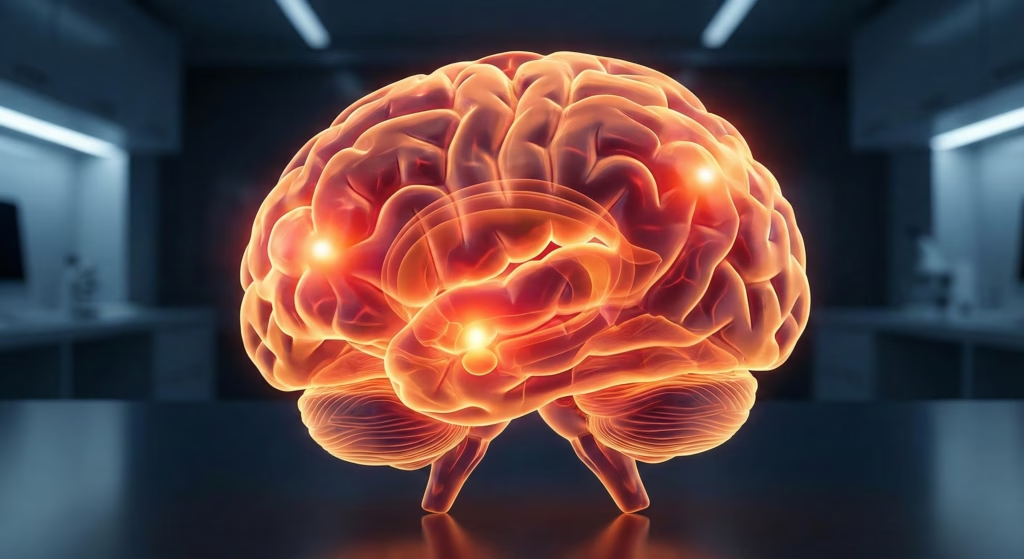
Anger is one of the most powerful emotions humans experience, yet it often feels mysterious when it appears. Many people think anger comes from personality or attitude, but it actually begins in the brain. The brain constantly scans the environment for threats or frustrations, even when we are not aware of it. When something feels unfair or threatening, the brain reacts quickly to protect us.
This reaction is not a sign of weakness or poor character. It is a built in survival response that helped humans survive danger for thousands of years. The problem arises when this ancient response activates in modern situations that are not truly dangerous. Understanding how anger starts in the brain helps make sense of why it can feel so intense and hard to control.
The Brain’s Alarm System and Anger
At the center of anger lies a part of the brain called the amygdala. This small structure acts like an alarm system that detects threats. When the amygdala senses danger or frustration, it sends an urgent signal throughout the body. This signal prepares the body to respond quickly, often before rational thought has time to catch up.
The amygdala works closely with other brain regions, especially those involved in emotion and memory. It does not analyze situations logically. Instead, it reacts based on patterns and past experiences. This is why anger can feel sudden and overwhelming, even when the situation seems minor in hindsight.
How the Thinking Brain Gets Overridden
The prefrontal cortex is the part of the brain responsible for reasoning, decision making, and self control. Under calm conditions, this area helps regulate emotions and think through consequences. During anger, the amygdala can temporarily overpower the prefrontal cortex.
When this happens, logical thinking becomes harder. People may say or do things they later regret because the emotional brain is in charge. This explains why anger often feels like losing control, even though it is actually a shift in brain activity.
The Role of Stress Hormones
Anger triggers the release of stress hormones such as adrenaline and cortisol. These chemicals prepare the body for action by increasing heart rate, sharpening focus, and tightening muscles. This reaction once helped humans survive physical threats.
In modern life, these hormones often surge during emotional conflicts rather than physical danger. Repeated exposure to high stress hormones can affect the brain over time. Chronic anger can make the brain more sensitive to stress, leading to quicker and stronger reactions in the future.
Why Anger Feels So Powerful
Anger carries a sense of energy and urgency that many other emotions lack. This is because it activates the body’s fight response. Blood flow increases to the muscles, breathing becomes faster, and attention narrows toward the source of frustration.
This physical activation can feel empowering in the moment. Some people even mistake anger for confidence or strength. However, the intensity comes from biology rather than clarity, which explains why anger often fades once the body calms down.
Memory and Anger Connection
The brain stores emotional memories more strongly than neutral ones. When anger is involved, the memory becomes especially vivid. This happens because the amygdala signals the brain to remember the event as important.
Over time, these stored memories can influence future reactions. A person who has experienced repeated anger in certain situations may become quicker to react when similar circumstances arise. The brain learns patterns and responds automatically unless conscious effort interrupts the cycle.
How Anger Changes Perception
Anger affects how people see the world around them. When angry, the brain focuses more on negative information and potential threats. Neutral actions by others may be interpreted as hostile or intentional.
This shift in perception is not deliberate. It happens because the brain prioritizes survival over accuracy. Once the emotional state changes, people often realize they misunderstood the situation. This explains why conflicts often seem exaggerated in the heat of the moment.
The Impact of Suppressed Anger
Suppressing anger does not make it disappear. Instead, it remains active beneath the surface. The brain continues to process the emotion even when it is not expressed.
Over time, suppressed anger can lead to increased stress, anxiety, or physical tension. The brain stays in a heightened state of alertness, which can affect sleep, concentration, and mood. Expressing anger in healthy ways helps prevent this buildup.
Anger and Decision Making
Anger strongly influences how decisions are made. When angry, people tend to act more impulsively and take greater risks. The brain focuses on immediate relief rather than long term consequences.
This shift happens because emotional circuits override rational evaluation. Choices made in anger often prioritize winning or defending rather than problem solving. Once calm returns, those decisions may seem irrational or unnecessary.
Long Term Effects of Chronic Anger
Frequent anger can change how the brain functions over time. Constant activation of stress responses keeps the nervous system on high alert. This can make it harder to relax or feel safe even in calm situations.
Long term anger has been linked to increased anxiety, difficulty concentrating, and emotional exhaustion. The brain becomes accustomed to operating in survival mode. This makes emotional balance harder to achieve without intentional effort.
Anger and Emotional Regulation
Emotional regulation refers to the brain’s ability to manage feelings effectively. When regulation is strong, people can experience anger without being overwhelmed by it. This skill develops through self awareness and practice.
The brain can learn new patterns through repeated behavior. Calming techniques such as deep breathing or mindfulness help strengthen connections between the thinking brain and emotional centers. Over time, this makes it easier to respond rather than react.
The Role of Childhood Experiences
Early experiences shape how the brain handles anger. Children who grow up in chaotic or emotionally unsafe environments may develop heightened sensitivity to threat. Their brains learn to stay alert as a form of protection.
These patterns can continue into adulthood if not addressed. The brain does not automatically unlearn old responses. Awareness and intentional change help reshape these emotional pathways.
Social Influences on Anger
The brain is deeply influenced by social experiences. Feeling rejected, disrespected, or misunderstood can activate anger quickly. Social pain activates similar brain regions as physical pain, which explains why words can hurt so deeply.
Social expectations also shape how anger is expressed. Some people are taught to hide it, while others are encouraged to express it openly. These beliefs influence how the brain processes and releases anger.
How Calming Practices Affect the Brain
Calming practices have a powerful effect on the brain. Slow breathing signals the nervous system to relax. This reduces activity in the amygdala and strengthens the prefrontal cortex.
Over time, these practices change how the brain responds to stress. Regular relaxation builds emotional resilience. The brain learns that it does not need to react intensely to every challenge.
The Brain’s Ability to Change
One of the most hopeful facts about the brain is its ability to change. This process is called neuroplasticity. It means the brain can form new connections and habits at any age.
Through consistent practice, people can train their brains to respond to anger more calmly. Awareness, reflection, and healthy coping strategies gradually reshape emotional patterns. Change happens slowly but steadily.
Learning to Listen to Anger
Anger often carries important information. It can signal unmet needs, violated boundaries, or unresolved emotions. Listening to anger with curiosity rather than judgment helps uncover its message.
When anger is understood rather than feared, it becomes less overwhelming. The brain learns that emotions can be explored safely. This shift reduces reactivity and builds emotional intelligence.
Final Thoughts on Anger and the Brain
Anger is not a flaw or failure. It is a natural emotional response rooted deeply in the brain’s survival systems. Understanding how anger affects the brain helps remove shame and confusion around it.
With awareness and practice, the brain can learn healthier ways to respond to frustration. Anger then becomes a signal rather than a force that takes control. Through patience and understanding, emotional balance becomes not only possible but sustainable.