
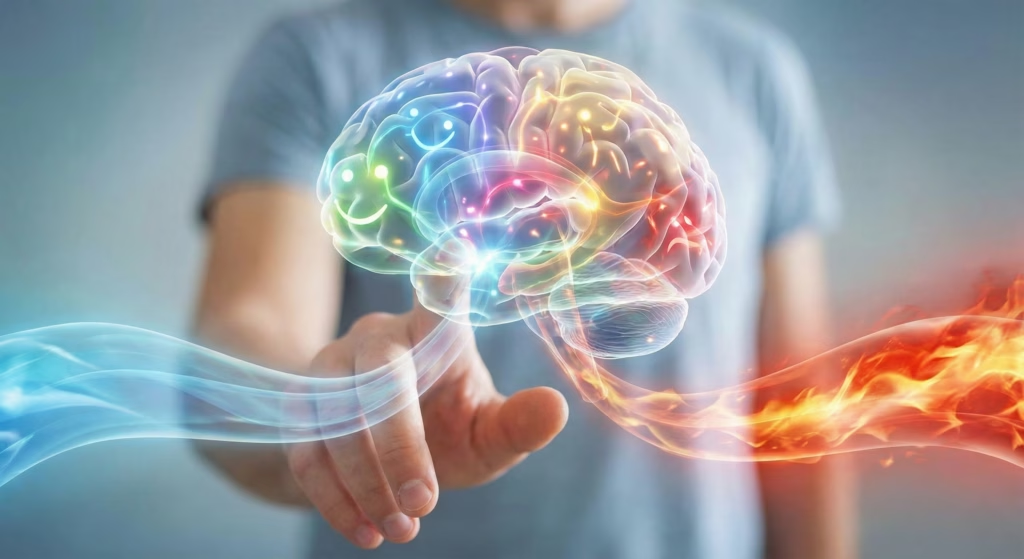
Most people like to believe their decisions are based on careful thinking. Psychology shows something very different. Emotions are almost always involved, even in choices that seem practical or rational. Feelings provide information, urgency, and motivation that logic alone cannot offer.
When you choose a job, a partner, or even a meal, emotions help you decide what matters. They add meaning to options and push you toward or away from certain outcomes.
Emotions Act as Quick Signals
Emotions work fast. They help the mind evaluate situations before conscious thought has time to analyze every detail. Fear signals danger. Excitement signals opportunity. Comfort signals safety.
These emotional signals guide decisions when time is limited. This ability helped humans survive long before careful analysis was possible. While useful, these quick signals can sometimes lead to choices that feel impulsive in hindsight.
Mood Shapes How Options Are Seen
Your current emotional state influences how you interpret information. When you feel calm or optimistic, possibilities appear more open and manageable. When you feel anxious or sad, risks seem larger and confidence shrinks.
Psychology shows that the same situation can lead to different decisions depending on mood. This does not mean emotions distort reality completely. It means they color perception and influence which details stand out.
Fear and Avoidance Often Walk Together
Fear is one of the strongest emotional influences on decision making. When fear is present, the mind focuses on protection. Decisions become more cautious, and avoiding discomfort feels more important than potential reward.
This explains why people may stay in familiar but unsatisfying situations. Fear of loss or failure can outweigh the desire for growth. Recognizing fear helps separate realistic concerns from imagined threats.
Positive Emotions Encourage Risk and Creativity
Positive emotions such as joy, curiosity, and hope expand thinking. Psychology shows that when people feel good, they consider a wider range of options and take more creative risks.
This does not mean positive emotions always lead to better decisions. Overconfidence can lead to underestimating risks. Balance between optimism and awareness leads to more thoughtful choices.
Emotional Memories Influence Future Decisions
Past emotional experiences leave a strong imprint on the mind. Decisions are often shaped by what felt good or painful before. If a past choice led to regret, similar options may trigger hesitation.
These emotional memories act as shortcuts, guiding future decisions. While helpful, they can sometimes limit growth if old experiences no longer apply to current situations.
Suppressing Emotions Can Backfire
Many people try to remove emotion from decision making, believing this leads to better outcomes. Psychology suggests the opposite. Ignoring emotions often makes them stronger and less manageable.
Healthy decision making involves listening to emotions without letting them take full control. Emotions offer valuable information about needs and values when acknowledged calmly.
Awareness Brings Balance to Choices
The most effective decisions involve both emotion and reason. Awareness allows you to notice emotional influence without being ruled by it. This creates space to pause and reflect.
By understanding how emotions affect decision making, you gain compassion for past choices and clarity for future ones. Emotions are not obstacles to good decisions. They are guides that work best when understood and balanced with thoughtful reflection.