What Is the Psychology of Anxiety?

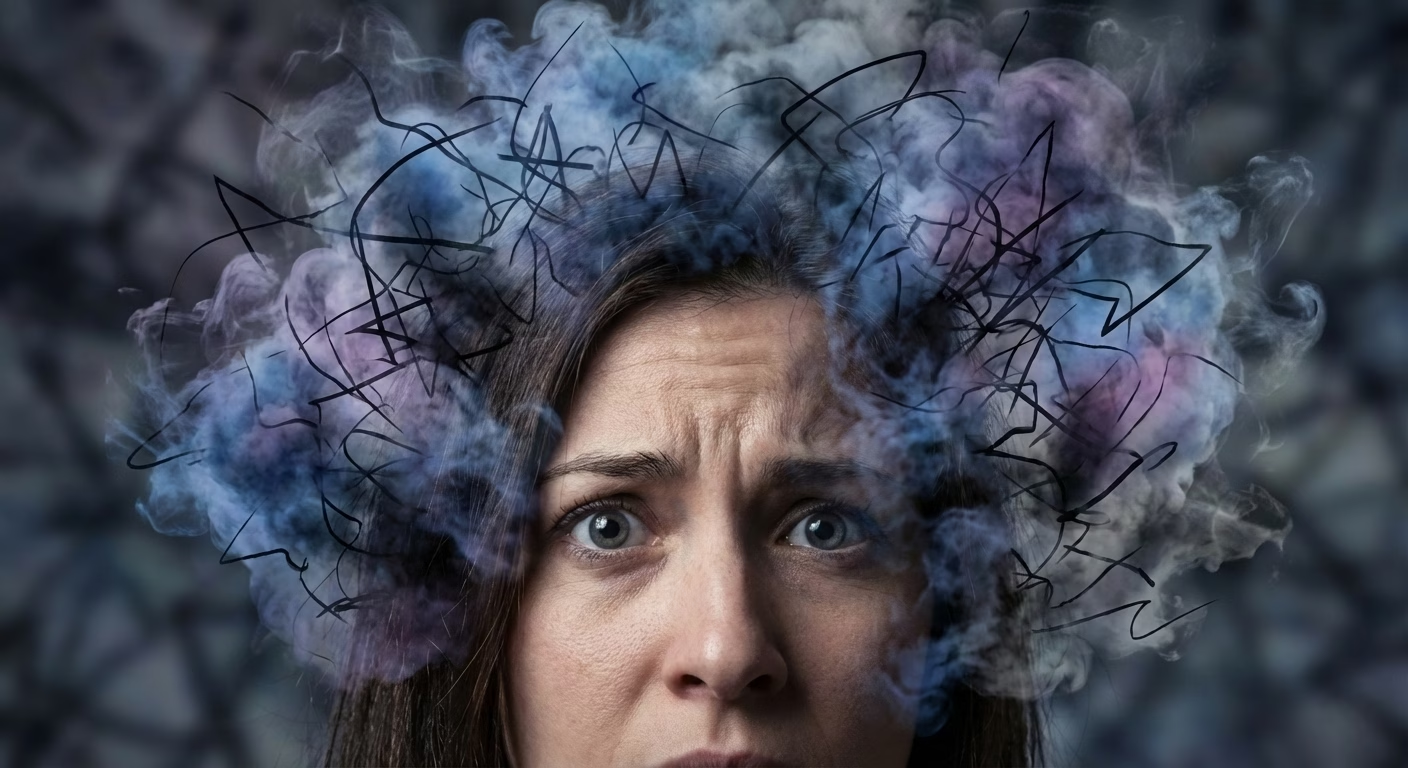
Anxiety is not a flaw or a weakness. Psychology explains anxiety as a natural response designed to protect. When the mind senses potential danger, it prepares the body to respond. This response once helped humans survive real threats. In modern life the threats are often social emotional or imagined. The same protective system activates even … Read more
How Does Trauma Affect the Mind?

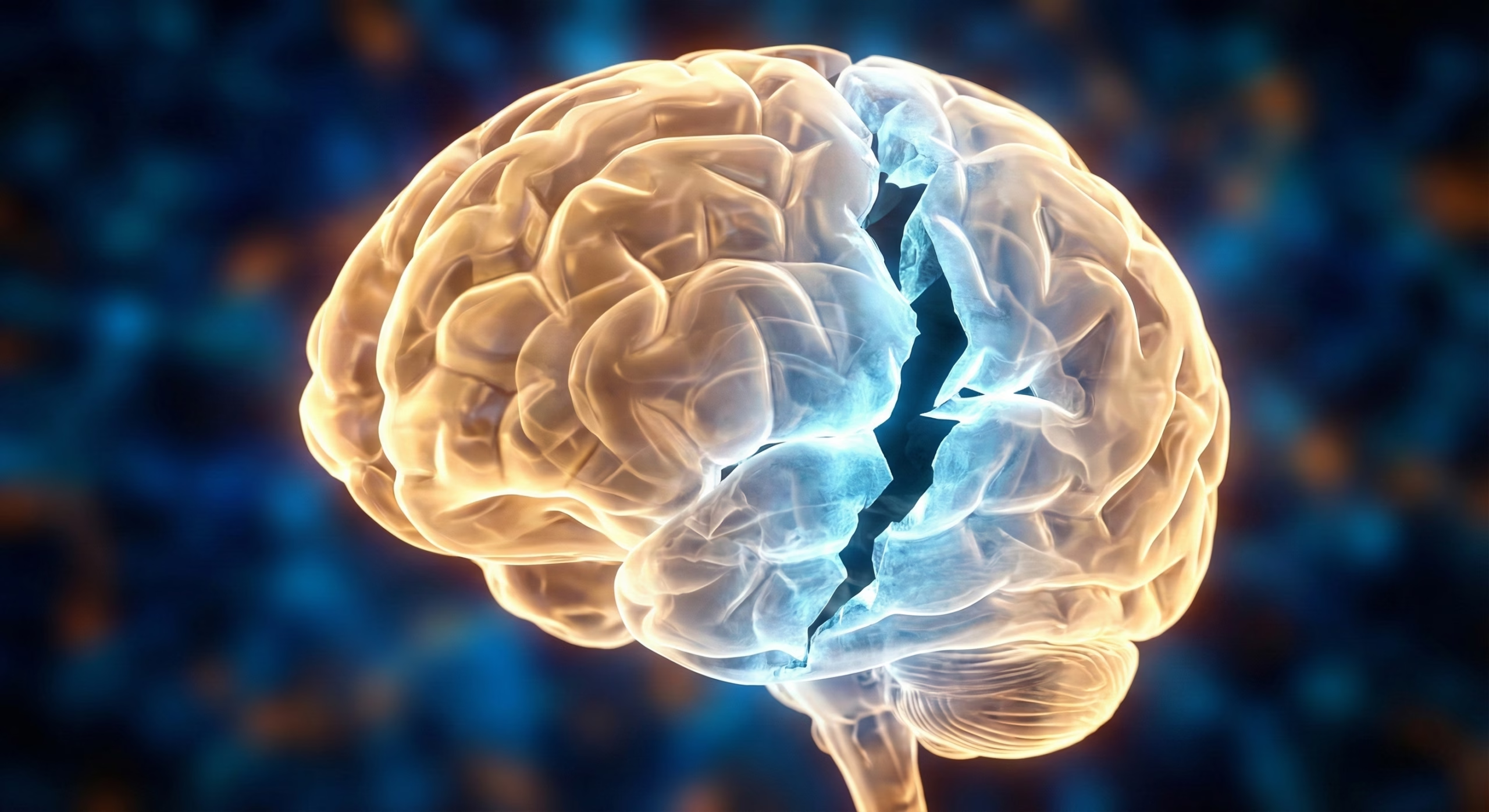
Trauma occurs when an experience overwhelms the mind’s ability to cope. It is not defined only by what happens but by how the person experiences it. Psychology explains that trauma can come from sudden events ongoing stress or situations where safety and control are lost. When the mind feels trapped or threatened, it shifts into … Read more

What Is the Purpose of Sleep Psychology?

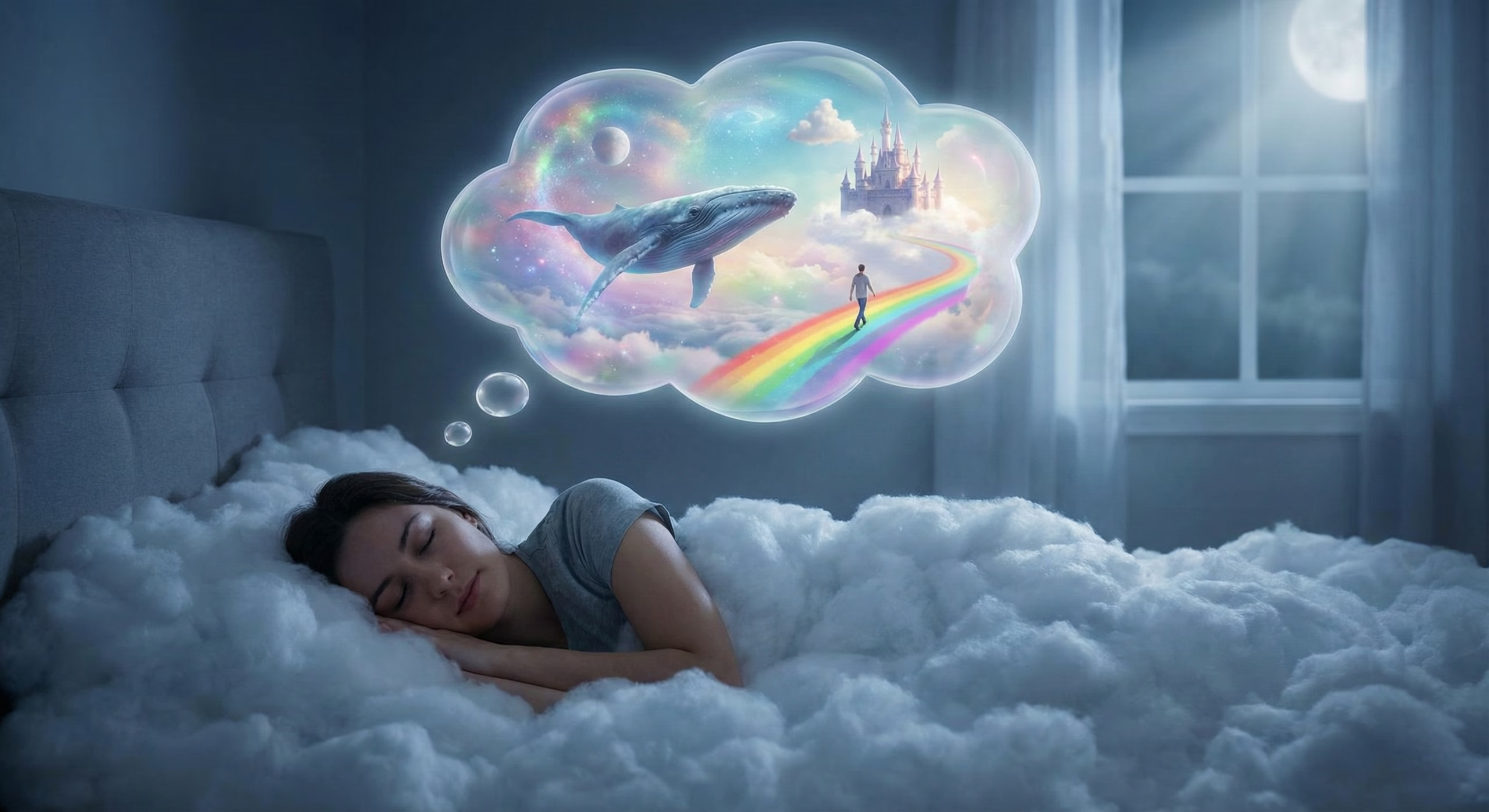
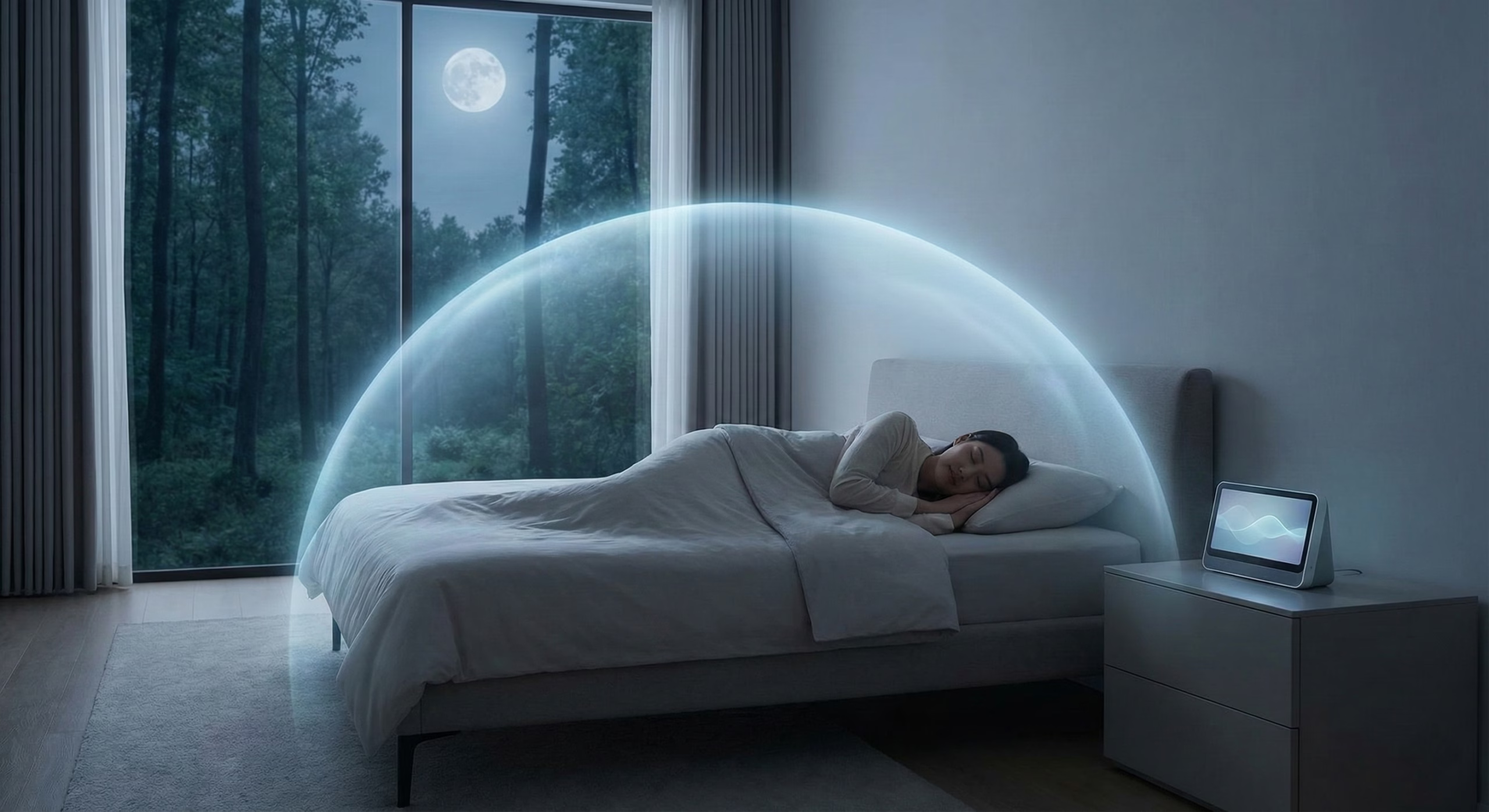
Sleep psychology focuses on more than getting enough hours of rest. It explores what happens in the mind before during and after sleep. Psychology asks why sleep matters how it affects emotions thinking and behavior and what goes wrong when sleep is disrupted. Sleep is not passive. It is an active mental process that supports … Read more

How Does Psychology Explain Dreams?

Dreams appear when the mind relaxes its grip on the outside world. During sleep the brain remains active even though the body rests. Psychology explains that dreams often emerge when logical control softens and imagination takes the lead. This shift allows thoughts memories and emotions to move more freely. Dreams are not random noise. They … Read more

Why Do People Forget Important Things?

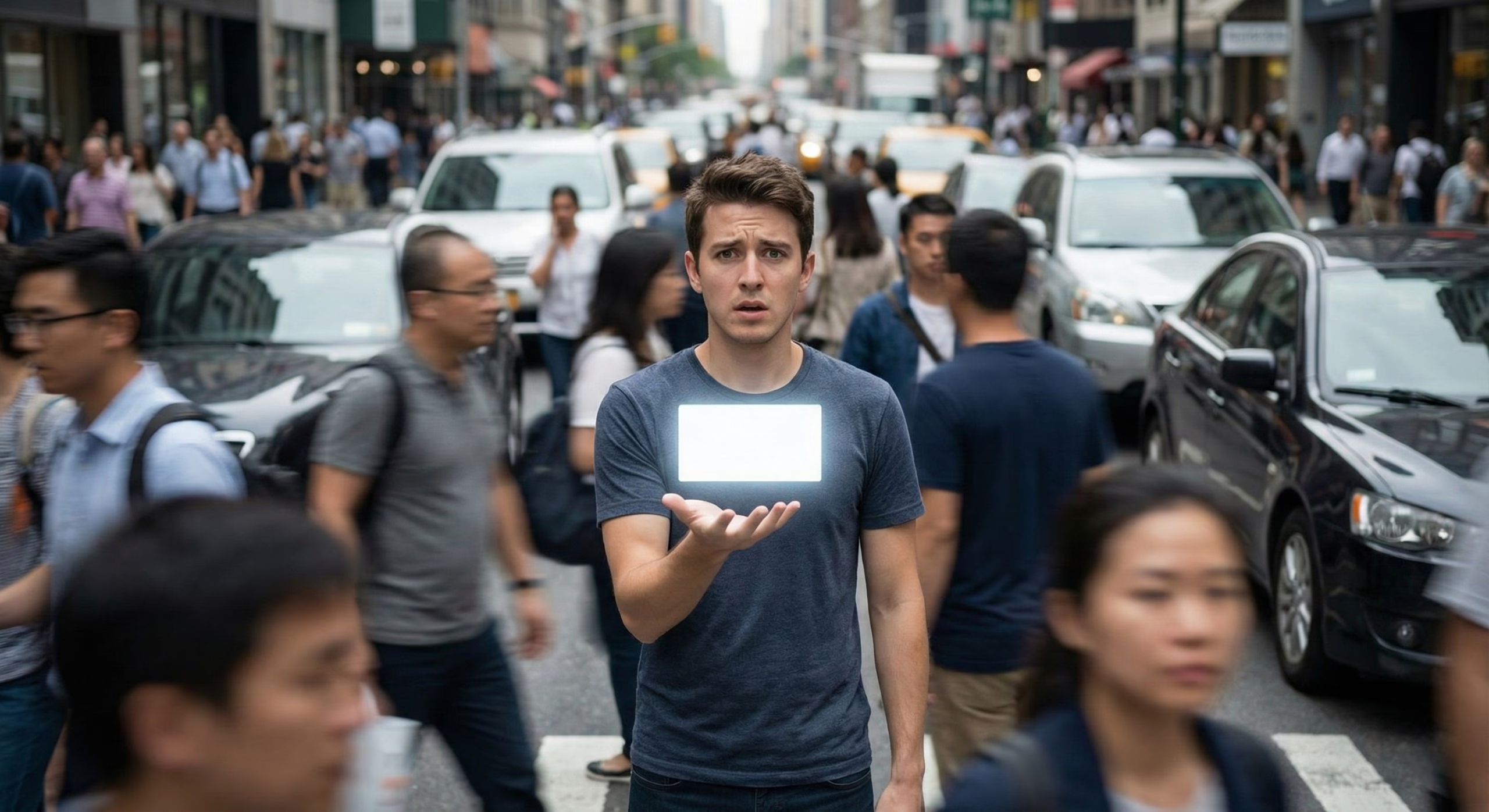
Forgetting something important can feel frustrating or even embarrassing. A birthday slips by. An appointment disappears from memory. A name stays just out of reach. Psychology reassures us that these moments are part of being human, not signs of carelessness or lack of intelligence. The mind is constantly processing information. It makes choices about what … Read more

What Causes False Memories?

False memories can feel just as real as true ones. People often recall events with confidence, emotion, and detail, only to later discover that parts of the memory are inaccurate or completely untrue. Psychology explains that this happens because memory is not a perfect record. It is a creative and flexible process. The mind is … Read more

How Does Memory Actually Work?

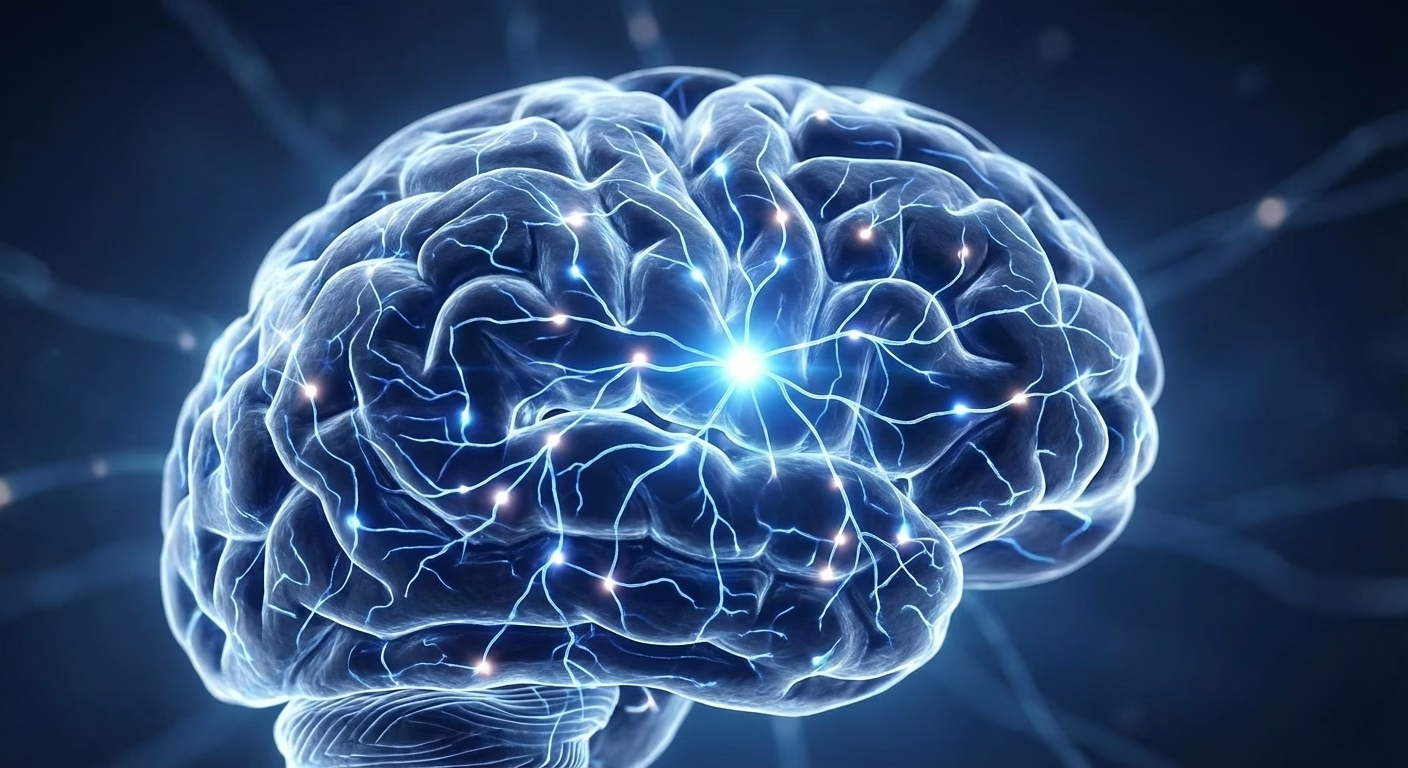
Many people imagine memory as a video camera that stores life exactly as it happens. Psychology shows a very different picture. Memory is more like a story that the brain rebuilds each time it is recalled. Details shift emotions color events and meaning changes over time. The brain does not store everything. It selects what … Read more

Why Do People Procrastinate?

Procrastination is often misunderstood as laziness or lack of discipline. Psychology offers a kinder explanation. Procrastination is usually an emotional response rather than a time management problem. People delay tasks not because they do not care but because the task triggers discomfort. This discomfort can come from stress fear boredom or self doubt. The mind … Read more

What Is the Psychology of Happiness?

Happiness is often imagined as feeling good all the time. Psychology paints a more realistic and comforting picture. Happiness is not a permanent state of joy. It is a pattern of experiences that include pleasure, meaning, connection, and emotional balance. People can feel happy even while experiencing stress or sadness. The key lies in how … Read more

How Do Beliefs Shape Reality?

Beliefs are ideas the mind accepts as true. Some come from childhood. Others grow from experiences culture or repeated messages. Psychology explains that beliefs act like invisible stories running in the background of daily life. These stories influence how events are interpreted. Two people can face the same situation and experience it completely differently because … Read more