What Is the Science Behind Attraction?

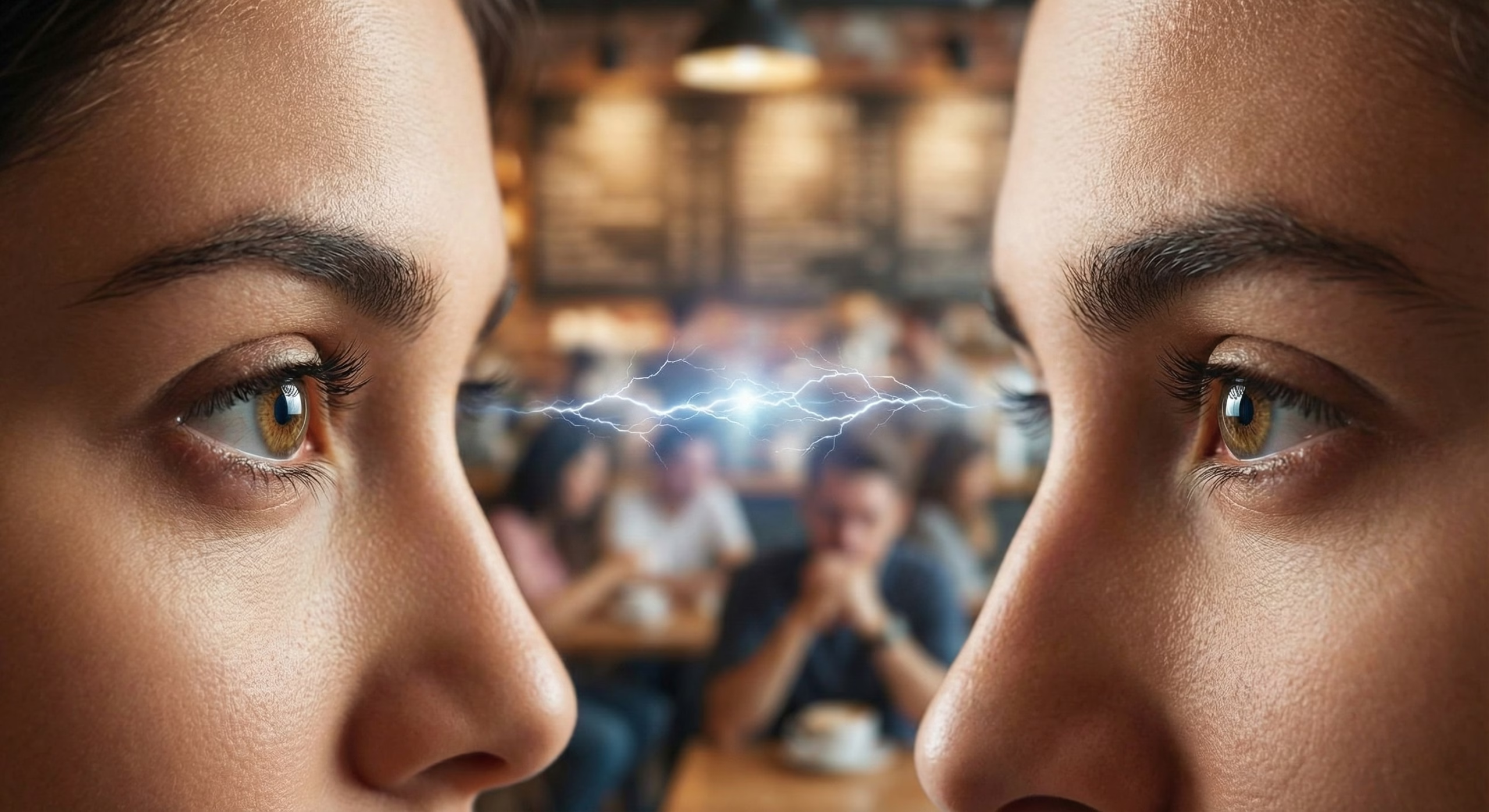
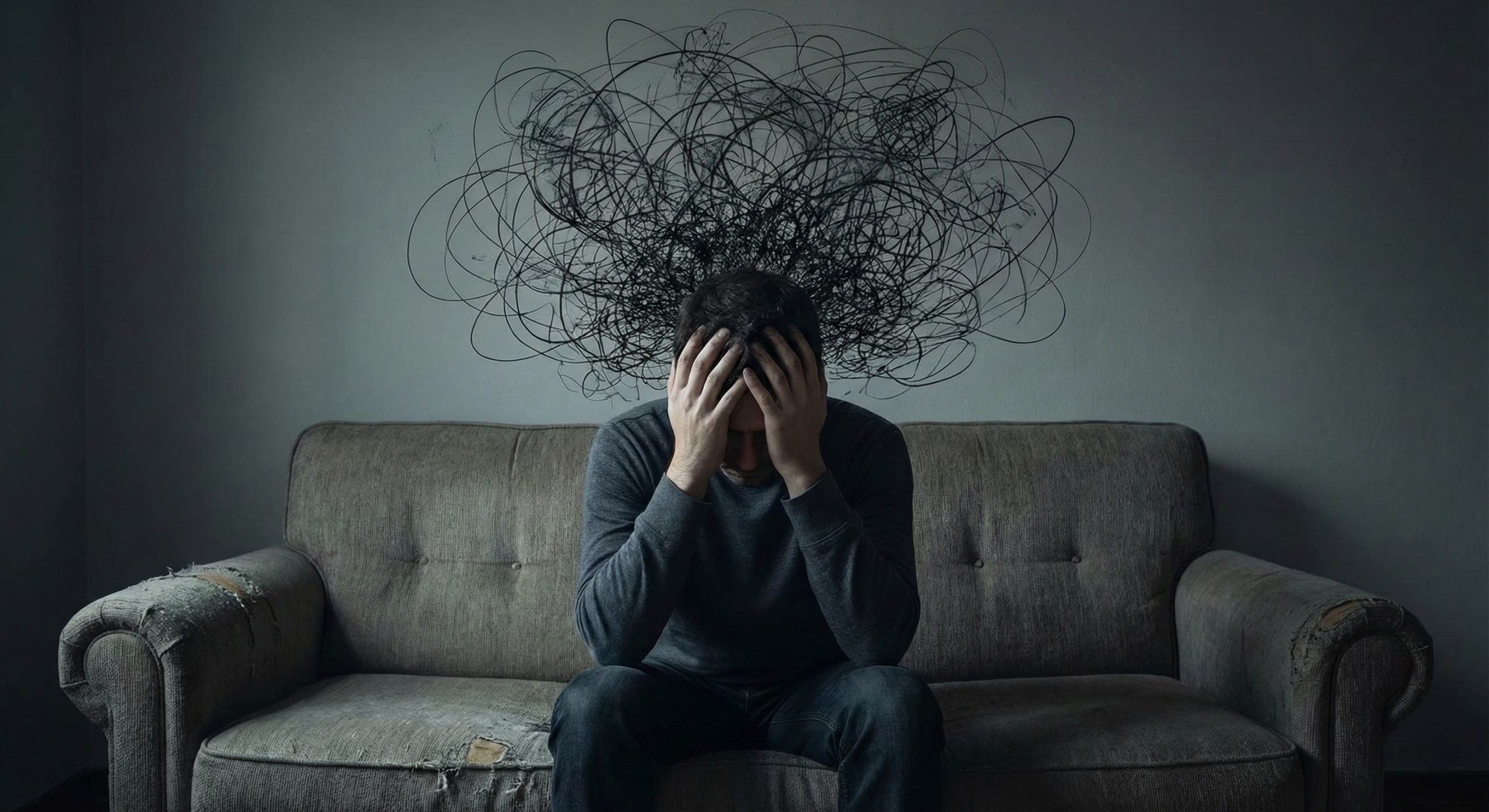
Attraction often feels like magic. One moment you are indifferent. The next you feel pulled toward someone without knowing why. Psychology explains that attraction begins in the mind long before conscious awareness catches up. The brain is constantly scanning for familiarity safety and reward. When someone triggers these systems attraction quietly begins. The Role of … Read more
How Does Psychology Explain Jealousy?

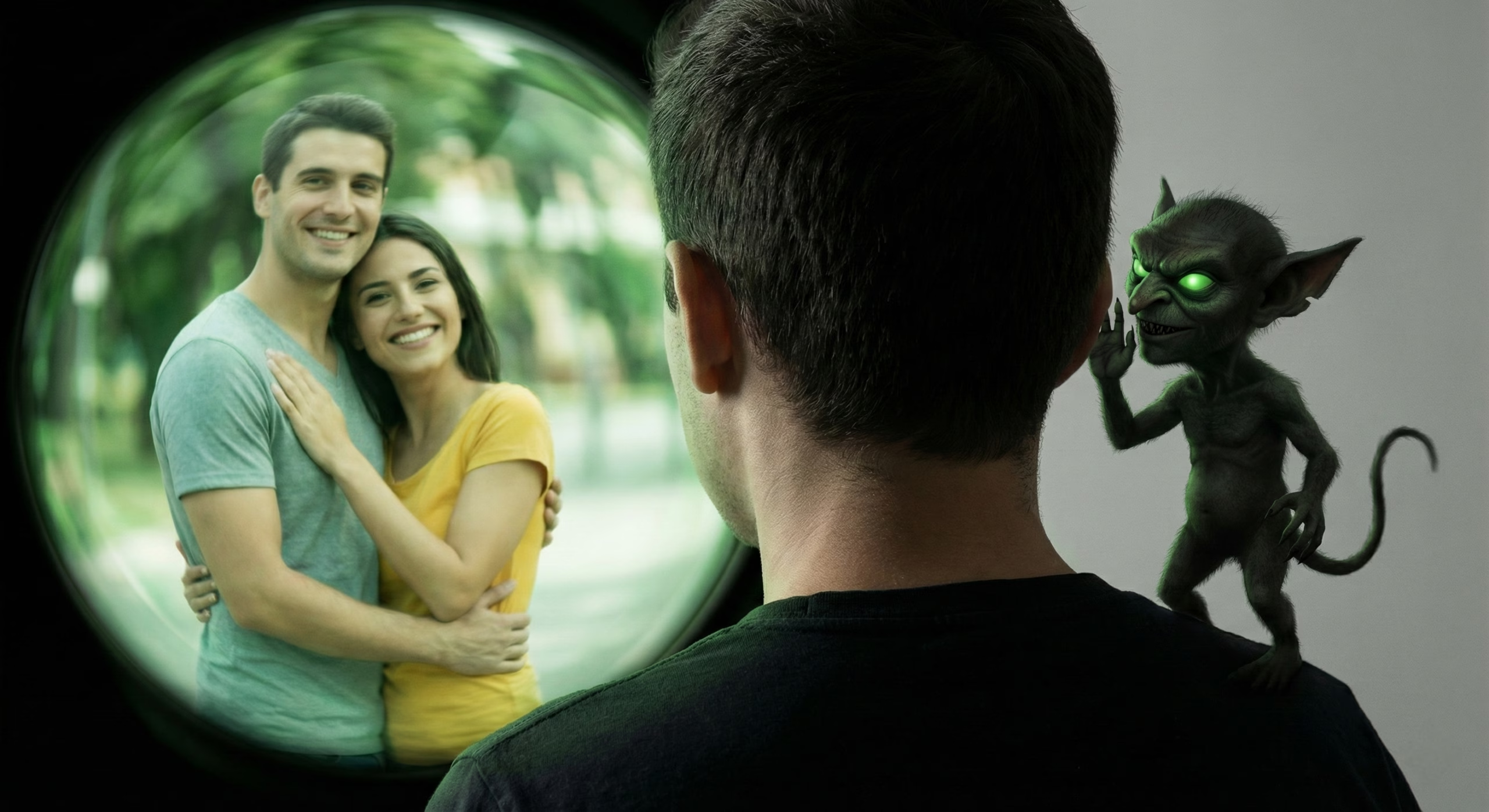
Jealousy often gets labeled as negative or immature, yet psychology sees it as a complex emotional response. It usually appears when something important feels threatened. That something might be a relationship, attention, status, or sense of security. Jealousy is not just about another person. It is about what that person represents to the mind. Loss, … Read more

Why Do People Stay in Toxic Relationships?

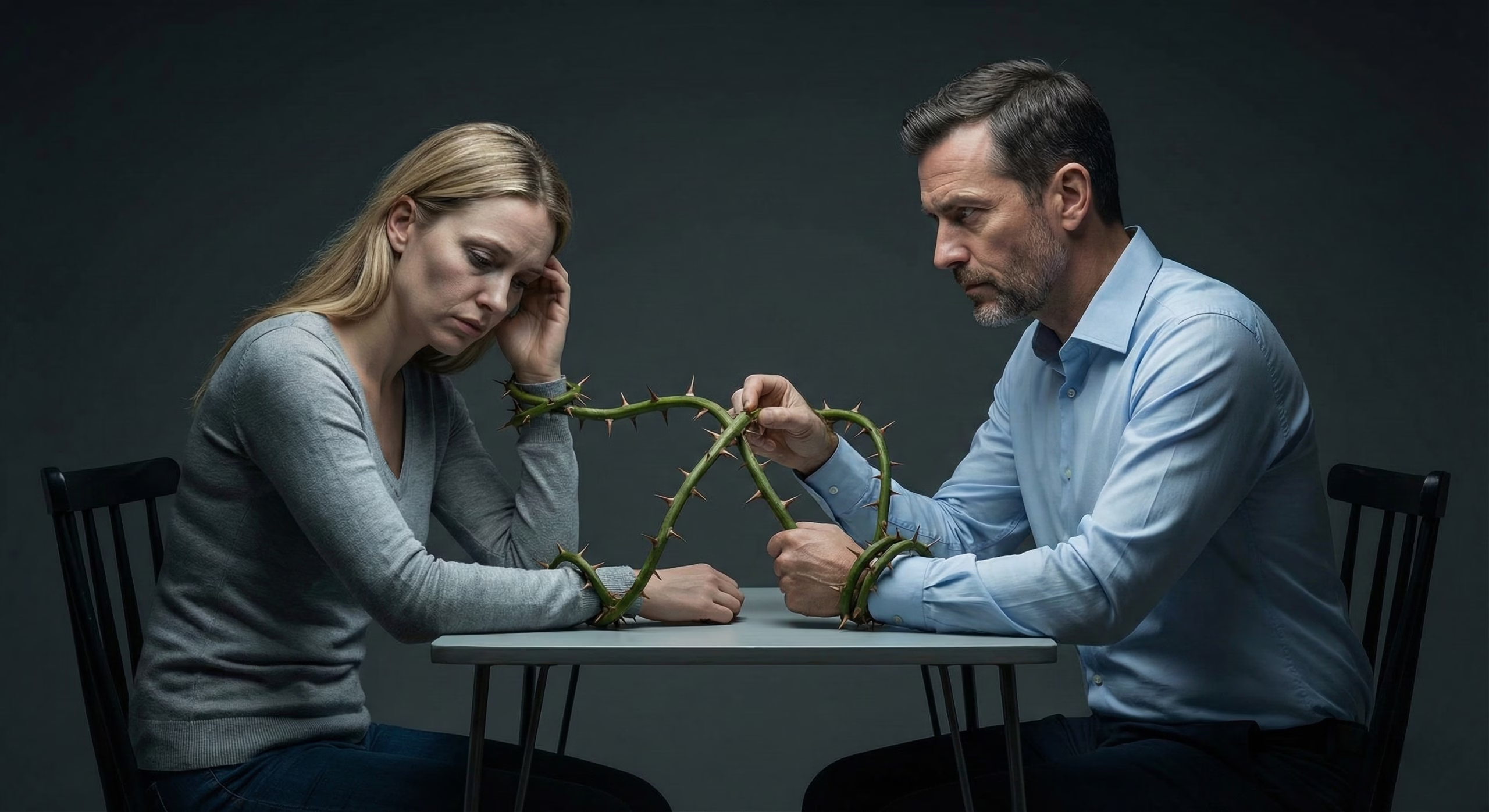
From the outside toxic relationships look obvious. Pain is visible. Patterns seem clear. Many people wonder why someone would stay when leaving appears to be the logical choice. Psychology reminds us that relationships are not experienced logically. They are experienced emotionally. What looks clear from the outside often feels confusing and overwhelming from the inside. … Read more

What Is Attachment Theory in Relationships?

Attachment theory starts with a simple idea. The way we connect with romantic partners often reflects how we first learned to connect as children. Early relationships taught the mind whether closeness felt safe consistent or unpredictable. Psychology explains that these early experiences quietly shape expectations about love. They influence how comfortable you feel with intimacy … Read more

How Does Psychology Explain Love?

Psychology starts with a simple idea. Humans are wired for connection. From birth survival depends on closeness care and safety. Love grows from this need to bond. It is not just romantic. It includes attachment trust and emotional security. Love feels intense because it touches the oldest parts of the mind that keep us safe … Read more

Why Do People Feel Empty Inside?

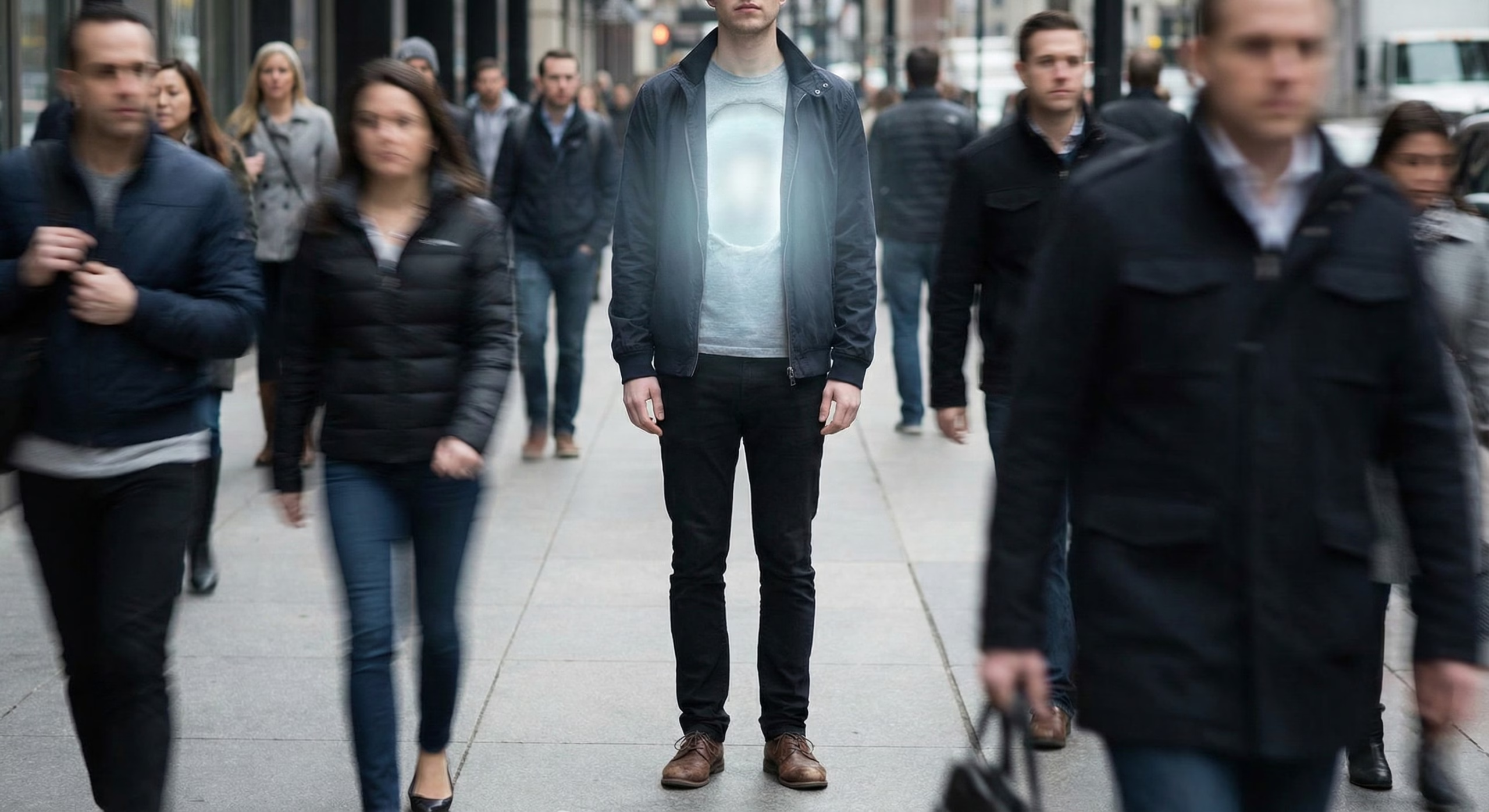
Feeling empty inside can be confusing. There may be no clear sadness or obvious crisis. Life might look fine from the outside yet something feels missing on the inside. Psychology describes this emptiness as an emotional numbness or lack of inner connection rather than a single emotion. People often struggle to name it because emptiness … Read more

What Is the Psychology of Loneliness?

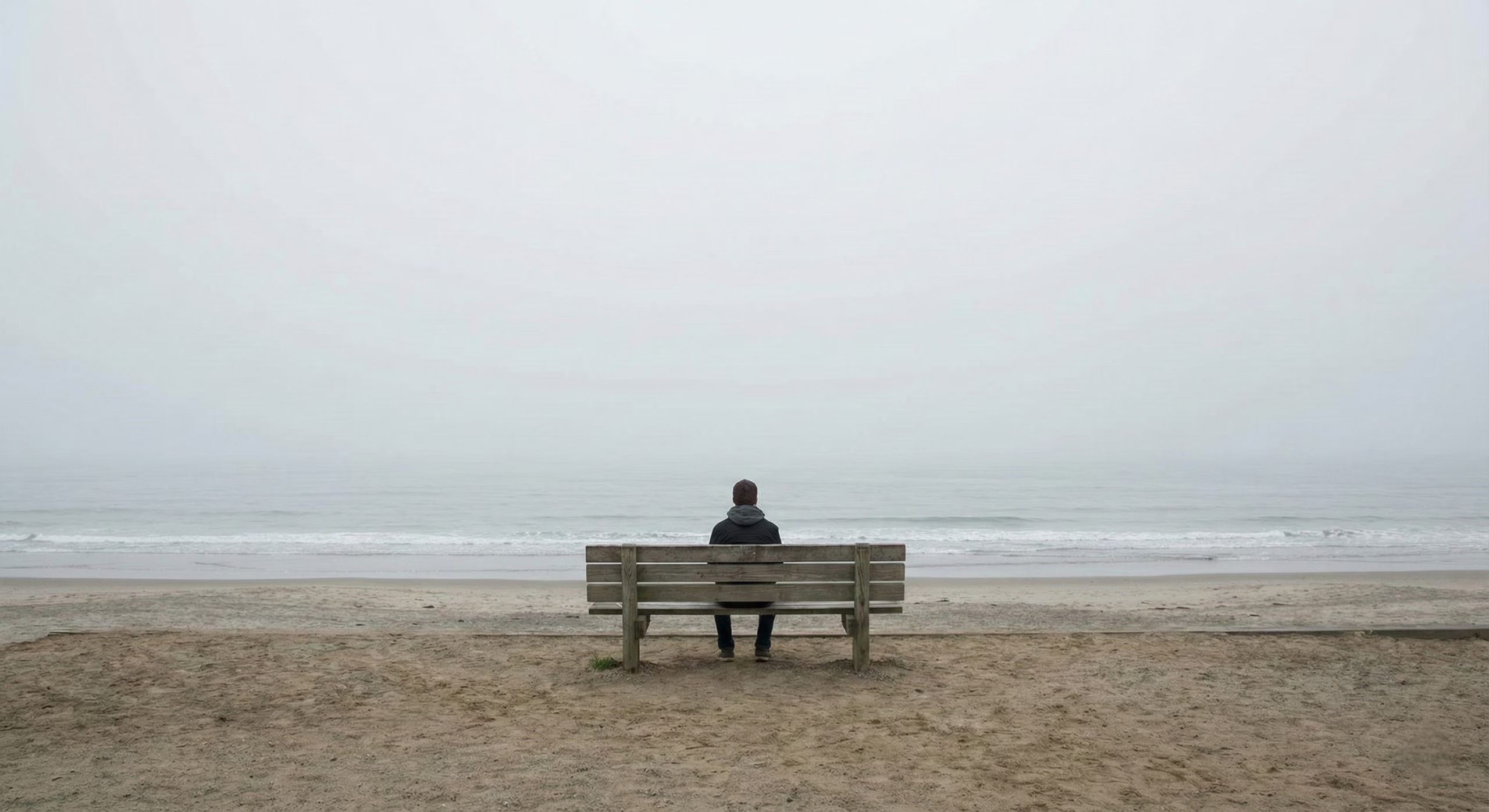
Loneliness is one of those emotions that can sit quietly in the background or suddenly feel overwhelming. It is deeply human and surprisingly complex. Psychology does not see loneliness as simply being alone. It sees it as a gap between the connection we want and the connection we feel we have. Loneliness Is About Perception … Read more

How Does Depression Affect Thinking?

Depression does not only affect mood. It changes the way the mind processes everyday life. Many people describe it as if their thoughts slow down darken or turn against them. This shift often happens gradually which makes it hard to notice at first. Psychology explains that depression alters thinking patterns rather than intelligence or character. … Read more

What Is the Difference Between Fear and Anxiety?

Fear and anxiety can feel almost identical in the body. The heart races. Muscles tense. Thoughts speed up. Psychology explains that this similarity exists because both emotions come from the same survival system in the brain. Despite feeling alike, fear and anxiety are not the same experience. They differ in timing focus and purpose. Understanding … Read more

How Do Phobias Develop Over Time?

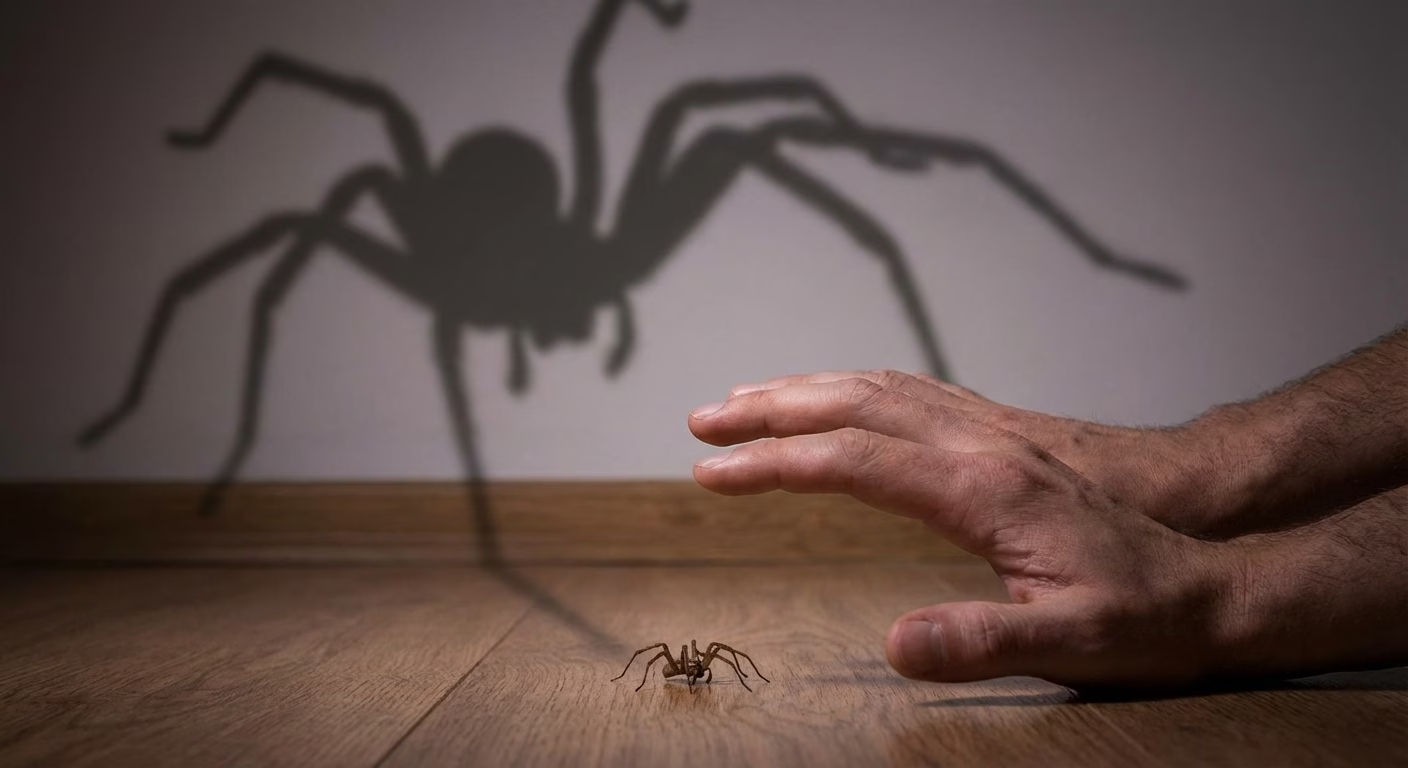
Phobias often begin with a simple fear. Fear itself is not a problem. Psychology explains that fear is a protective response meant to keep people safe from danger. When something feels threatening, the mind reacts quickly to protect the body. Most fears fade when the threat passes. Phobias develop when a fear stays long after … Read more