Why Do People Get Angry Easily?

Anger is one of the most common emotions people experience, yet it is also one of the most misunderstood. Many people think anger is always negative or dangerous, but in reality it is a natural response meant to protect us. Anger often appears when something feels unfair, threatening, or frustrating. It acts like an internal … Read more

What Is the Psychology of Aggression?

Aggression is something most people have experienced in one form or another. It can show up as anger during an argument, frustration in traffic, or even quiet resentment that builds over time. Many people assume aggression is always violent or harmful, but psychology shows it exists on a wide spectrum. Sometimes it appears as words, … Read more

Why Do People Fear Losing?

Losing often feels heavier than winning feels good. Even small losses can create a strong emotional reaction that lingers longer than expected. This happens because the human brain is wired to protect itself from threats, and loss is often interpreted as a threat to safety, identity, or belonging. The fear of losing can feel overwhelming … Read more

How Does Winning Affect the Brain?

Winning often arrives with a rush that feels almost electric. The moment success becomes real, the brain reacts before logic has time to catch up. Heart rate increases, breathing changes, and a wave of excitement spreads through the body. This reaction is not random, since the brain interprets winning as a signal of achievement and … Read more

What Is the Psychology of Competition?

Competition is woven deeply into human nature. From childhood games to professional careers, people constantly measure themselves against others. This urge often begins early in life when children compare grades, skills, or attention received from adults. Competition helps individuals understand where they stand in the world and what they are capable of achieving. At its … Read more

Why Do People Enjoy Gambling?

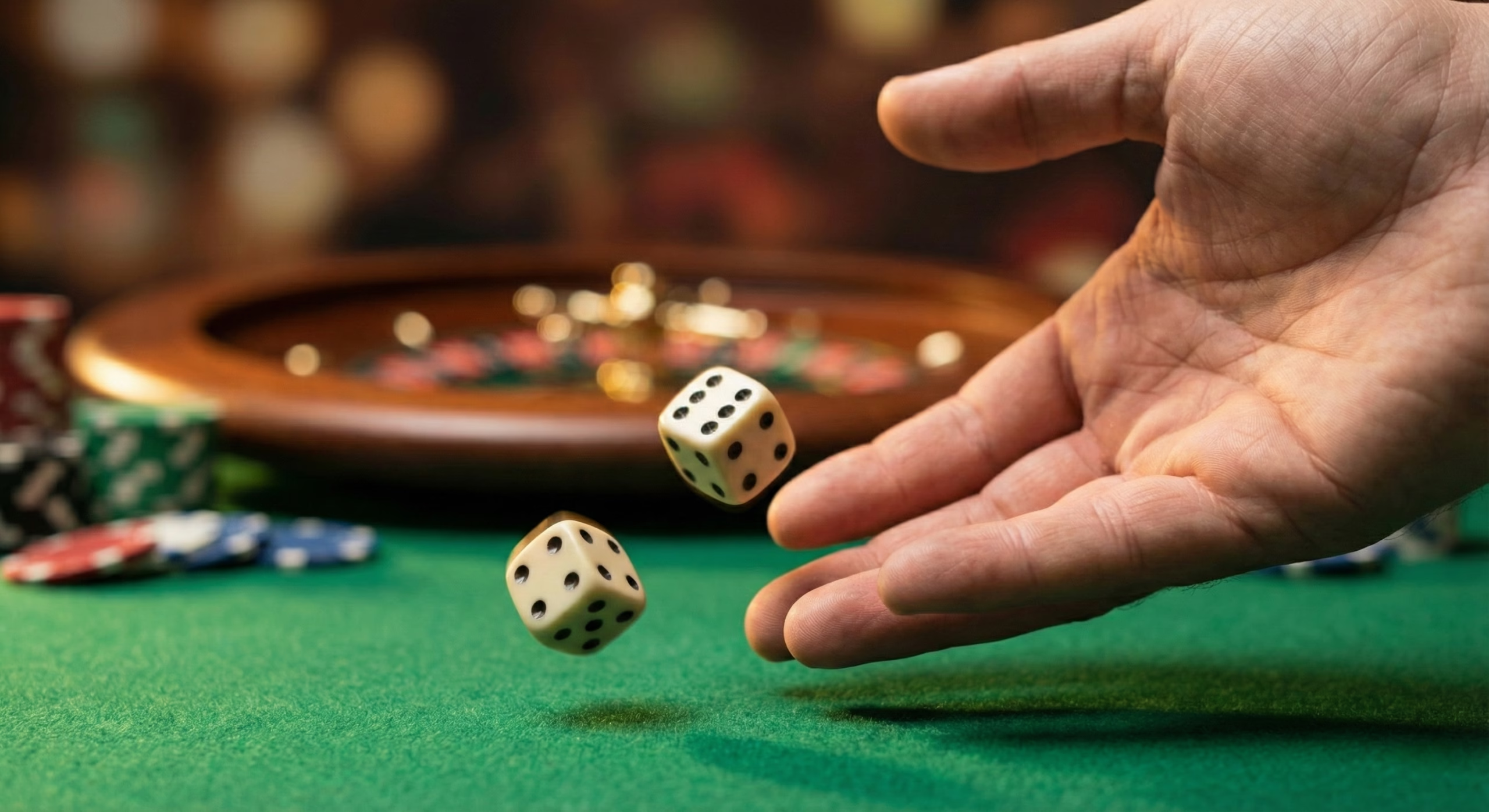
Gambling has fascinated humans for thousands of years, long before modern casinos or online platforms existed. People have always been drawn to uncertainty, especially when it carries the promise of reward. The unknown outcome creates a sense of suspense that keeps the mind alert and engaged. This tension between hope and risk is one of … Read more

What Is the Psychology of Risk Taking?

Risk is part of daily life, even when it does not feel dramatic or dangerous. Choosing a new job, speaking up in a meeting, or trusting someone new all involve uncertainty. The human mind constantly weighs possible gains against possible losses, often without conscious awareness. This quiet evaluation shapes many of the choices people make … Read more

How Does Scarcity Affect Decision Making?

Scarcity begins with a simple feeling that there is not enough of something. It could be time, money, food, attention, or opportunity. When people sense scarcity, the mind reacts quickly and emotionally. Focus narrows and thoughts become centered on what feels missing. This shift often happens without awareness, yet it strongly influences how decisions are … Read more

Why Do People Overspend?

Overspending rarely begins with numbers or budgets. It usually starts with emotions that quietly guide decisions before logic has a chance to speak. People often spend money to feel comforted, excited, or distracted from stress. Shopping can create a brief sense of relief or pleasure that feels meaningful in the moment. This emotional response makes … Read more

What Is the Psychology of Money?

Money often feels like a practical tool, something we use to buy necessities and plan for the future. Yet money is deeply emotional, shaped by beliefs, fears, hopes, and past experiences. People rarely make financial decisions based on logic alone. Feelings such as security, pride, anxiety, or shame usually guide behavior long before numbers are … Read more