What Is Emotional Intelligence in Psychology?

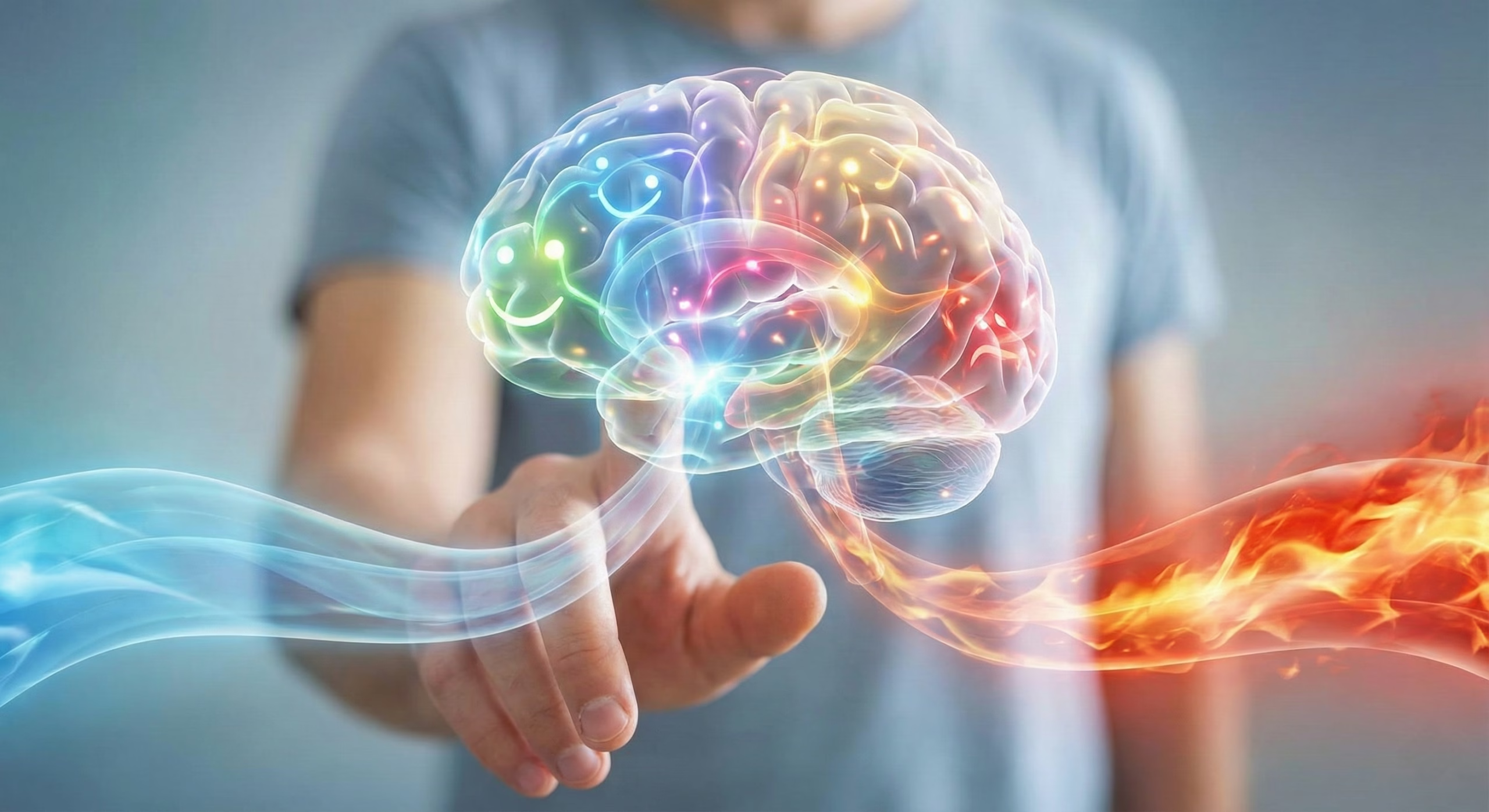
Emotional intelligence starts with noticing emotions as they appear. This includes recognizing feelings like joy frustration fear or calm without pushing them away or judging them too quickly. Psychology explains that emotions carry information. They signal needs boundaries and reactions to the world around you. When you can name what you feel, you gain clarity. … Read more

How Does Stress Affect the Brain?

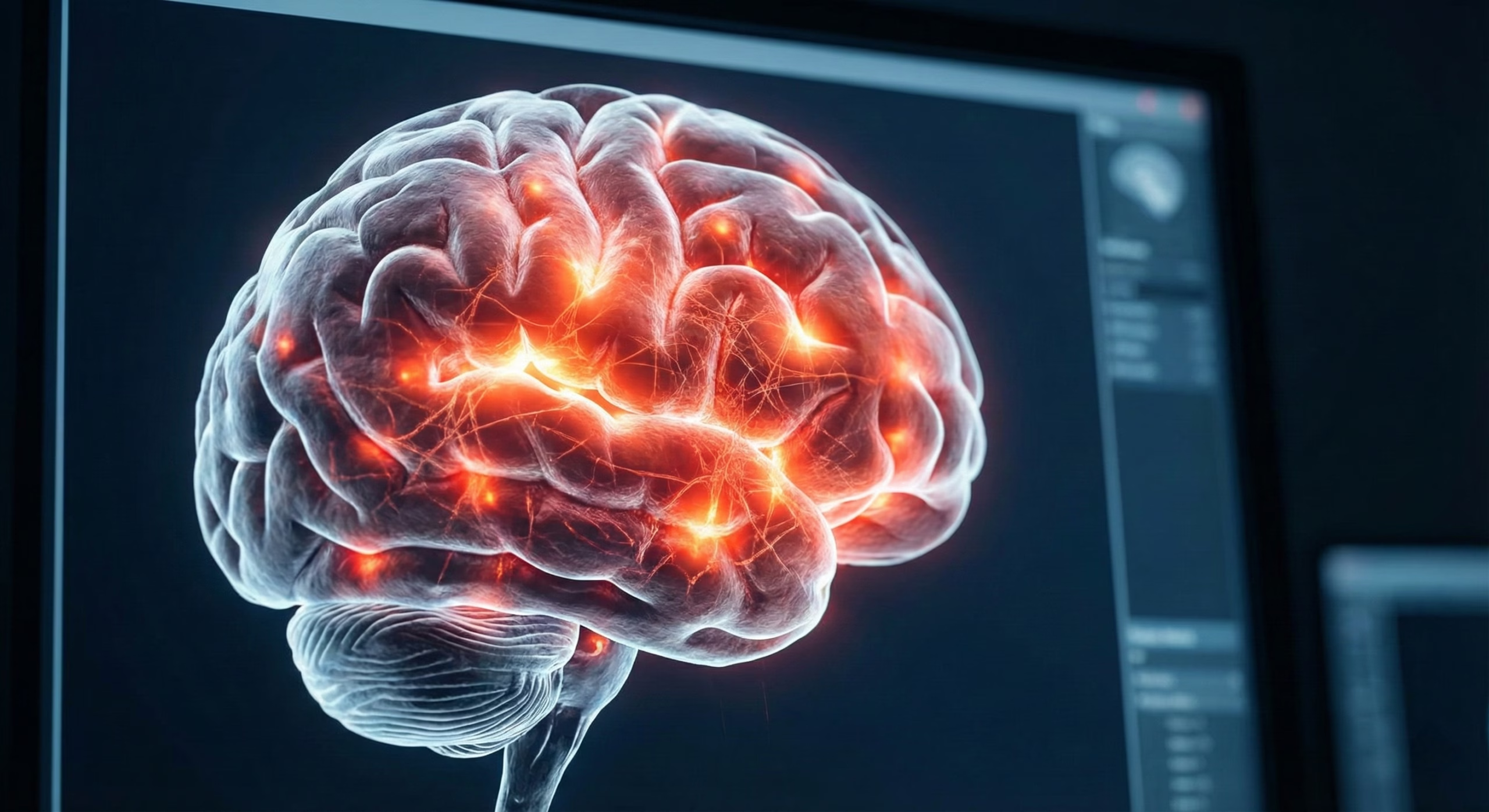
Stress starts as the brain trying to help you. When something feels demanding or uncertain the brain reads it as a challenge. It sends signals to prepare the body for action. Heart rate increases attention sharpens and energy rises. This response once helped humans escape danger and solve urgent problems. In small doses stress can … Read more

Why Do Humans Seek Social Approval?

The need for social approval begins much earlier than most people realize. From childhood, humans learn that connection brings safety and comfort. Smiles, praise, and attention signal acceptance. Disapproval or rejection feels uncomfortable because it threatens that sense of belonging. Psychology explains that humans evolved as social beings. Survival once depended on being part of … Read more

What Is the Psychology Behind First Impressions?

First impressions form almost instantly. Within seconds of meeting someone, the mind begins drawing conclusions. Psychology explains that this quick judgment is not intentional. It is automatic. The brain is designed to assess new people rapidly to decide whether they seem safe, interesting, or trustworthy. These early impressions often feel certain even though they are … Read more

How Does Childhood Affect Adult Behavior?

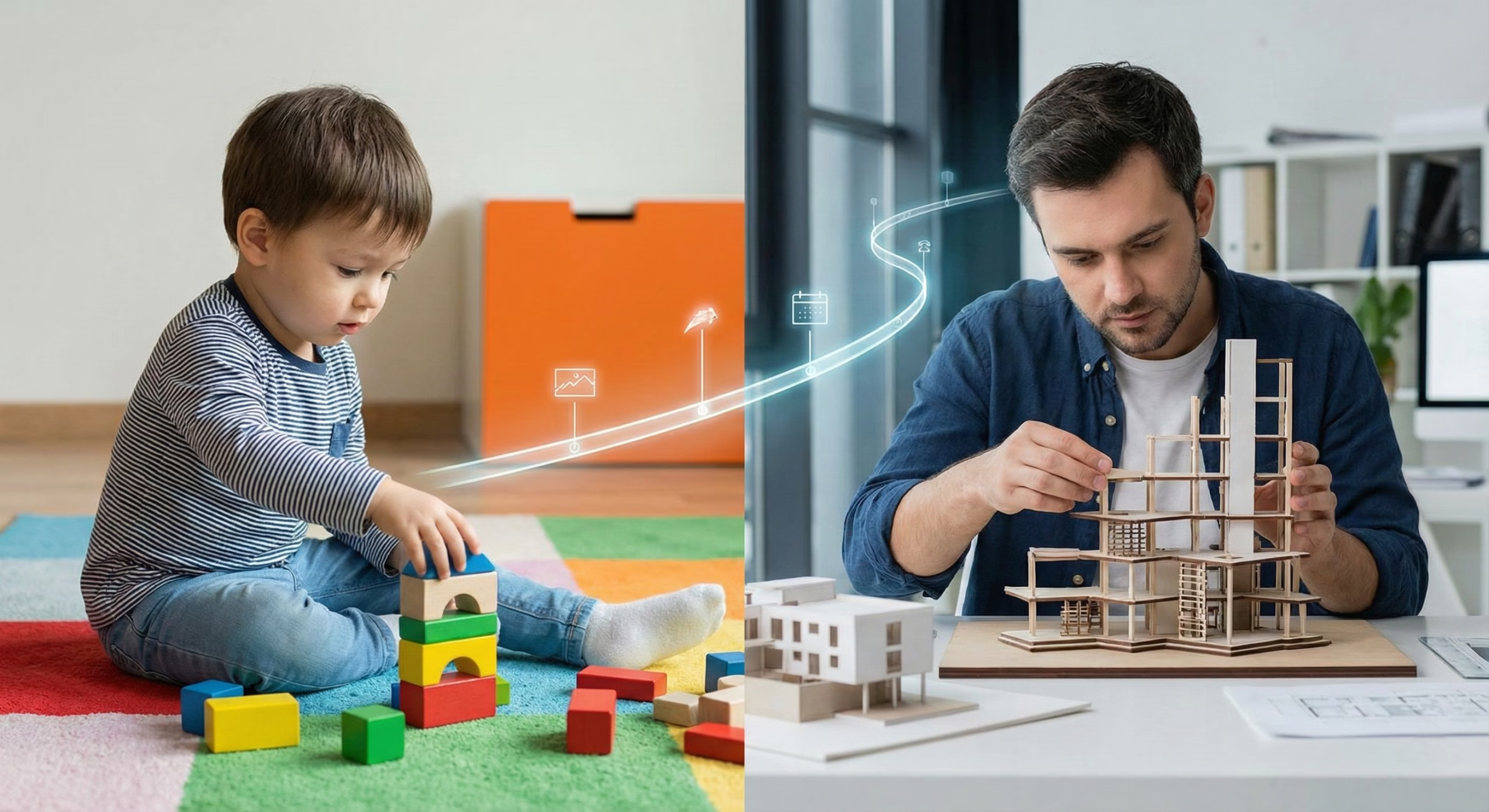
Childhood is more than a phase we grow out of. Psychology shows that early experiences help form an emotional blueprint that influences how adults think, feel, and act. The mind learns what to expect from the world during these early years, and those expectations often guide behavior later in life. This does not mean childhood … Read more

What Is Social Psychology and Why Is It Important?

Social psychology explores how people think, feel, and behave in the presence of others. This includes direct interaction as well as the influence of groups, culture, and social expectations. If you have ever acted differently around friends than you do alone, you have experienced social psychology in action. This branch of psychology looks at how … Read more

How Does Psychology Explain Fear?

Fear is one of the oldest emotions humans experience. Long before modern life, fear helped people survive by alerting them to danger. Psychology explains fear as a protective response designed to keep us safe. When something feels threatening, the mind and body react quickly. Heart rate increases, muscles tense, and attention sharpens. This response prepares … Read more

Why Do People Form Habits So Easily?

Habits form easily because the human mind loves efficiency. Every day brings thousands of decisions, and making each one consciously would be exhausting. Habits reduce that mental load. Once a behavior becomes familiar, the mind stores it as a routine that can run with little effort. This is why you may not remember locking the … Read more

What Is Behavioral Psychology All About?

Behavioral psychology focuses on what people do rather than what they think or feel. It studies actions that can be observed and measured. This approach grew from the idea that behavior is shaped by experience and environment more than by hidden mental processes. Every habit you have, from checking your phone to reacting to stress, … Read more

How Do Emotions Affect Decision Making?

Most people like to believe their decisions are based on careful thinking. Psychology shows something very different. Emotions are almost always involved, even in choices that seem practical or rational. Feelings provide information, urgency, and motivation that logic alone cannot offer. When you choose a job, a partner, or even a meal, emotions help you … Read more