Why Are Bad Habits Hard to Break?

Bad habits have a strange power over us. You promise yourself you will stop scrolling late at night, eating food you know makes you feel worse, procrastinating when important work matters, or reacting the same unhelpful way in relationships. The intention feels real. The motivation feels strong. Then somehow, almost without noticing, you are right … Read more

How Does Dopamine Influence Behavior?

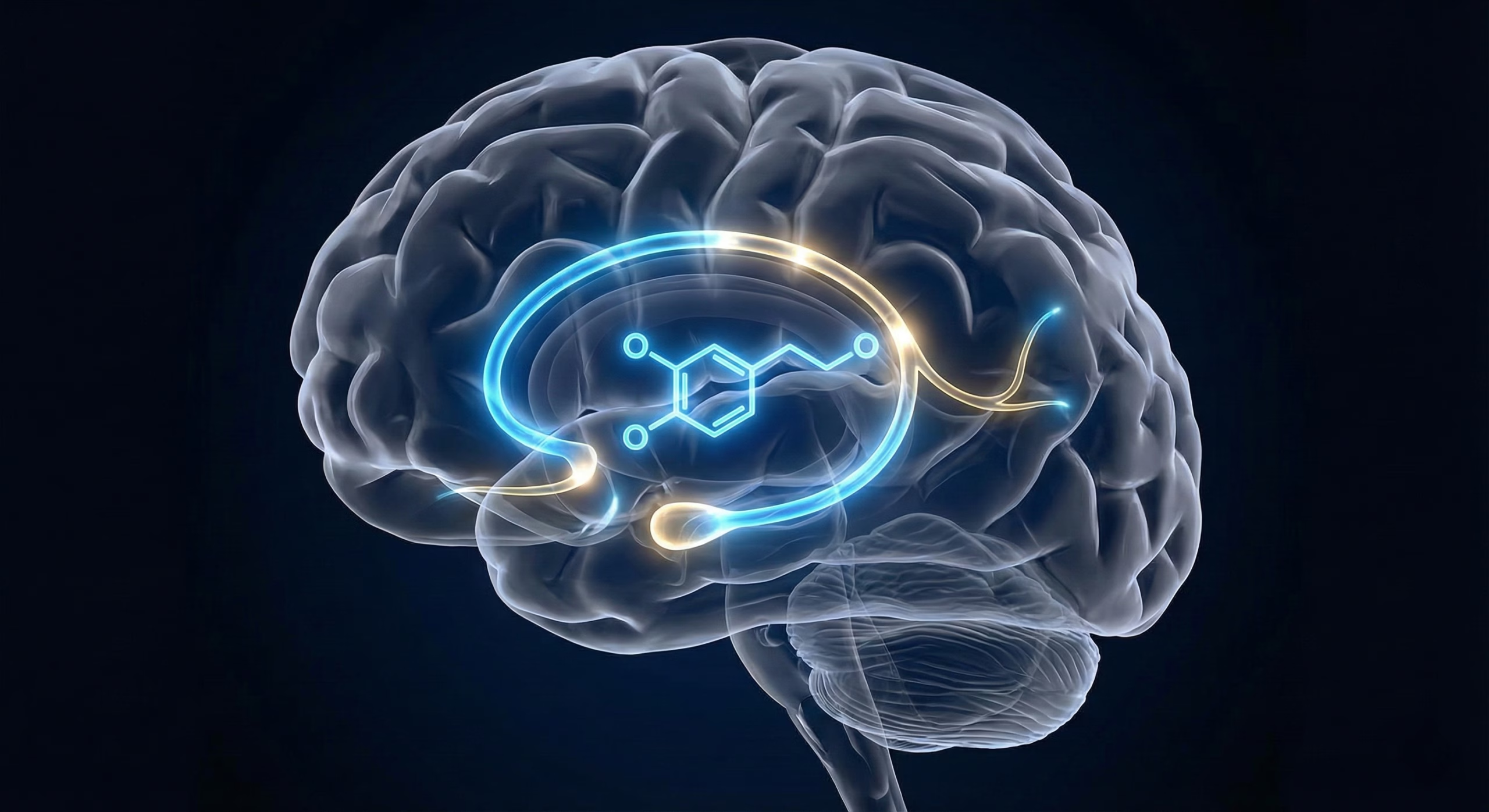
Dopamine often gets described as the pleasure chemical, but that description only scratches the surface. Dopamine is not just about feeling good. It is about learning what matters, deciding what to pursue, and shaping how we move through the world. Every time you feel motivated to get out of bed, check your phone, chase a … Read more

What Is the Psychology of Addiction?

Addiction is often misunderstood. Many people see it as a lack of willpower or a series of bad choices. Psychology tells a very different story. Addiction is not about weakness. It is about how the human brain learns survives and seeks relief from pain. When you understand addiction through this lens it becomes less about … Read more

How Does Social Media Affect the Mind?

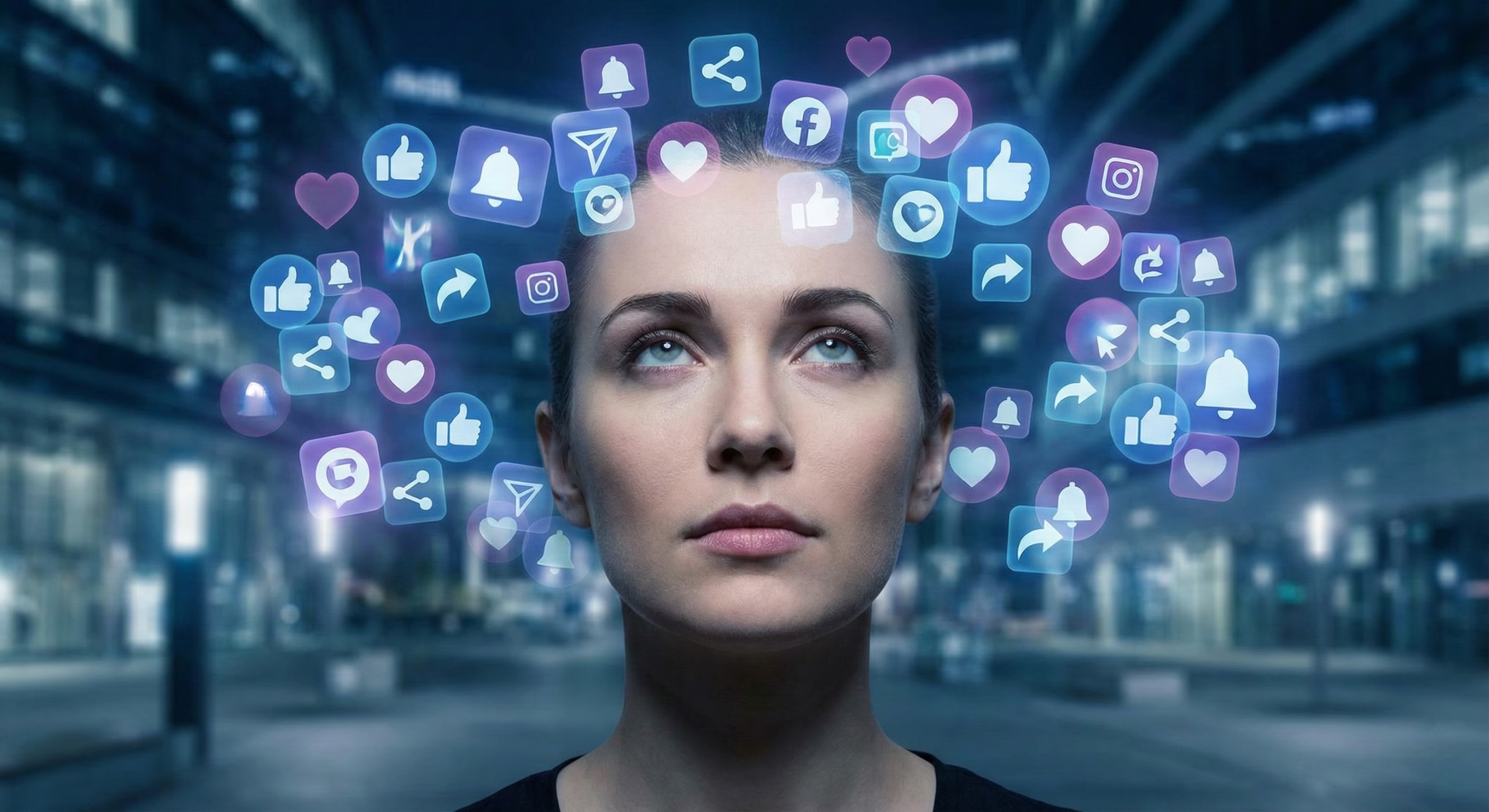
Social media has become so woven into daily life that it often feels invisible. You reach for your phone without thinking. You scroll while waiting, resting, or avoiding a difficult moment. Psychology looks closely at this habit not to judge it but to understand it. Social media is not just a tool. It is an … Read more

What Is the Psychology of Envy?

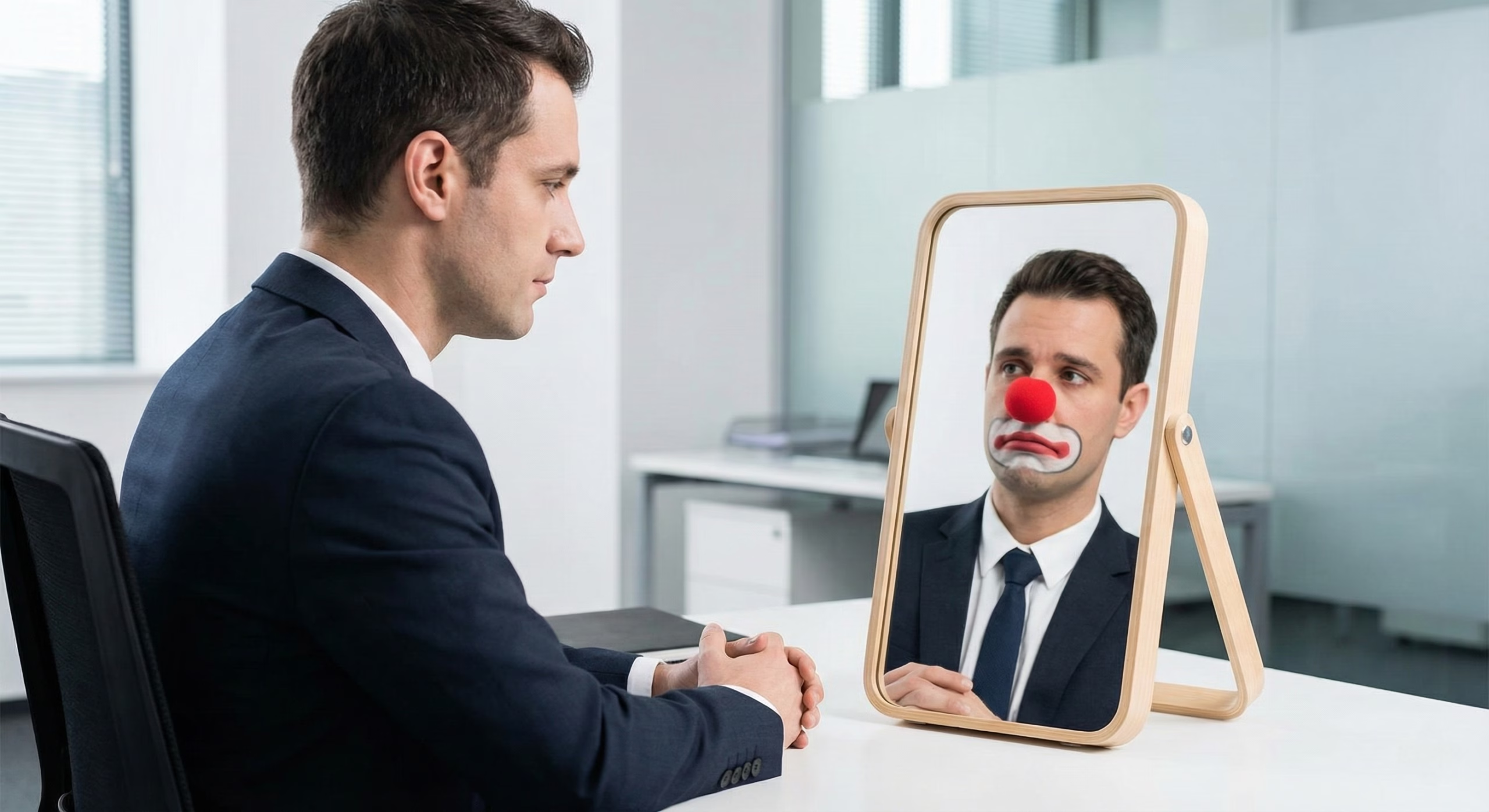
Envy is one of the most misunderstood emotions. People often label it as petty or shameful, something to hide or deny. Psychology takes a very different view. Envy is not a moral failure. It is an emotional signal that reveals unmet needs, threatened self worth, and deeply human desires. Understanding envy begins with letting go … Read more

Why Do People Compare Themselves to Others?

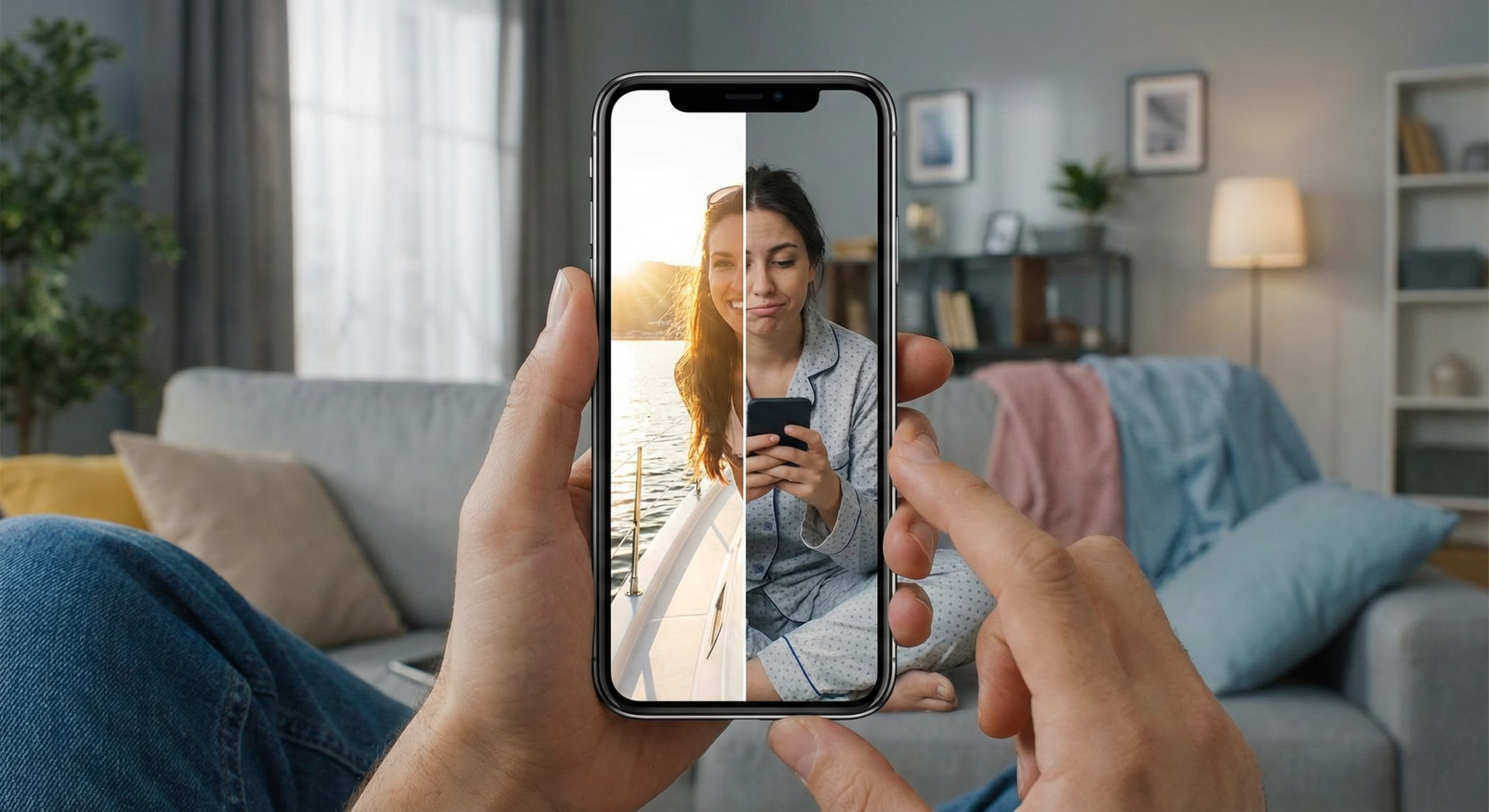
Comparison is something almost everyone does, often without realizing it. You notice someone your age achieving something you want. You scroll past a life that looks happier or more successful than yours. You hear a friend’s story and instantly measure it against your own. Psychology explains that this habit is not a flaw in character. … Read more

What Is Imposter Syndrome in Psychology?

Imposter syndrome is one of those experiences that feels intensely personal yet is shared by millions of people. It shows up as a quiet thought that says I do not really belong here. It whispers that success was luck timing or deception rather than ability. Even when evidence clearly shows competence the feeling remains stubbornly … Read more

How Does Perfectionism Affect Mental Health?

Perfectionism often looks admirable from the outside. It shows up as high standards strong discipline and attention to detail. Inside the mind however perfectionism usually feels very different. Psychology describes it as a constant pressure to avoid mistakes and meet ideal expectations. This pressure rarely rests and over time it can take a serious toll … Read more

Why Do People Fear Failure?

Fear of failure is one of the most common human fears, yet it often hides behind procrastination, perfectionism, or hesitation. At its core, this fear is not really about failing at a task. It is about what failure seems to say about who you are. Psychology shows that the mind often links outcomes with identity, … Read more

What Is the Psychology of Confidence?

Confidence often gets misunderstood. Many people imagine it as boldness loudness or fearlessness. Psychology paints a softer and more realistic picture. Confidence is not about never doubting yourself. It is about trusting yourself enough to act even when doubt is present. Confidence begins with experience. The brain learns through action and feedback. Each time you … Read more