
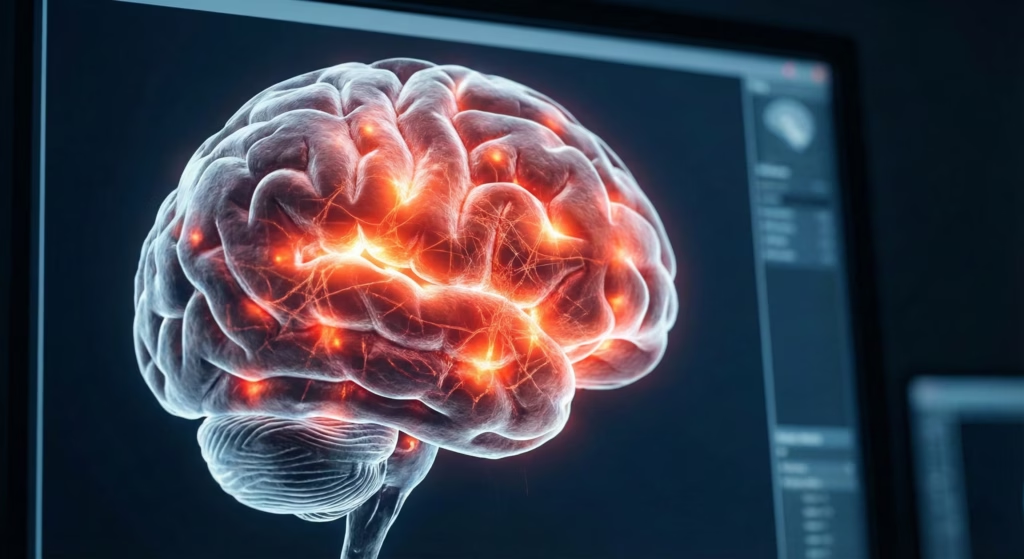
Stress starts as the brain trying to help you. When something feels demanding or uncertain the brain reads it as a challenge. It sends signals to prepare the body for action. Heart rate increases attention sharpens and energy rises. This response once helped humans escape danger and solve urgent problems.
In small doses stress can be useful. It pushes you to meet deadlines and react quickly. Problems appear when stress stays for too long and the brain never gets a chance to rest.
The Stress Response Lives in the Brain
The brain plays the central role in stress. It decides what feels threatening and what feels safe. A region called the amygdala acts like an alarm system. When it senses danger it signals other parts of the brain to release stress hormones.
Another area called the prefrontal cortex helps with thinking planning and decision making. During stress this area becomes less active. The brain shifts control from thoughtful reasoning to fast reaction. This explains why clear thinking becomes harder when stress is high.
Stress Hormones Change Brain Function
Stress releases hormones such as cortisol and adrenaline. These chemicals prepare the body for action but they also affect the brain. Short bursts can improve focus. Long lasting exposure can interfere with memory mood and learning.
High cortisol levels make it harder for the brain to form new memories. Concentration drops and mental fog increases. Over time the brain becomes less flexible which makes problem solving feel exhausting.
Memory Is Especially Sensitive to Stress
Stress strongly affects memory. The hippocampus which helps store memories is sensitive to stress hormones. Under constant pressure this area struggles to work efficiently.
People under stress often forget details misplace items or feel mentally scattered. This is not a personal failure. It is the brain responding to overload. When stress decreases memory function often improves again.
Emotions Feel Louder Under Stress
Stress amplifies emotions. The brain becomes more reactive and less regulated. Small frustrations feel overwhelming. Worry and irritability increase easily.
The emotional centers of the brain gain more influence during stress. Logical thinking steps back while emotional reactions step forward. This shift explains why people sometimes say things they regret or feel emotionally drained after stressful periods.
Chronic Stress Can Reshape the Brain
Long term stress does more than affect mood. Psychology and neuroscience show that ongoing stress can change brain structure. Areas involved in fear and emotion may grow more active. Areas involved in reasoning and self control may weaken.
These changes are not permanent. The brain remains adaptable throughout life. Reducing stress and practicing recovery allows the brain to regain balance and strength.
Stress Affects Attention and Focus
Stress narrows attention. The brain focuses on potential problems while ignoring other information. This can be helpful during emergencies but harmful during daily life.
Tasks that require creativity patience or complex thinking become harder. The mind jumps from worry to worry. Understanding this helps reduce self blame during stressful periods.
Rest and Safety Help the Brain Recover
The brain needs signals of safety to recover from stress. Rest calm routines social connection and sleep tell the brain that danger has passed.
When the brain feels safe the stress response slows down. Thinking becomes clearer emotions settle and energy returns. Small moments of calm throughout the day support long term brain health.
Understanding Stress Creates Compassion
Understanding how stress affects the brain changes how you view yourself and others. Difficulty focusing irritability and forgetfulness are not signs of weakness. They are signs of a brain under pressure.
Psychology reminds us that the brain responds to environment and experience. When stress is addressed with patience and care the brain can heal adapt and regain balance.