
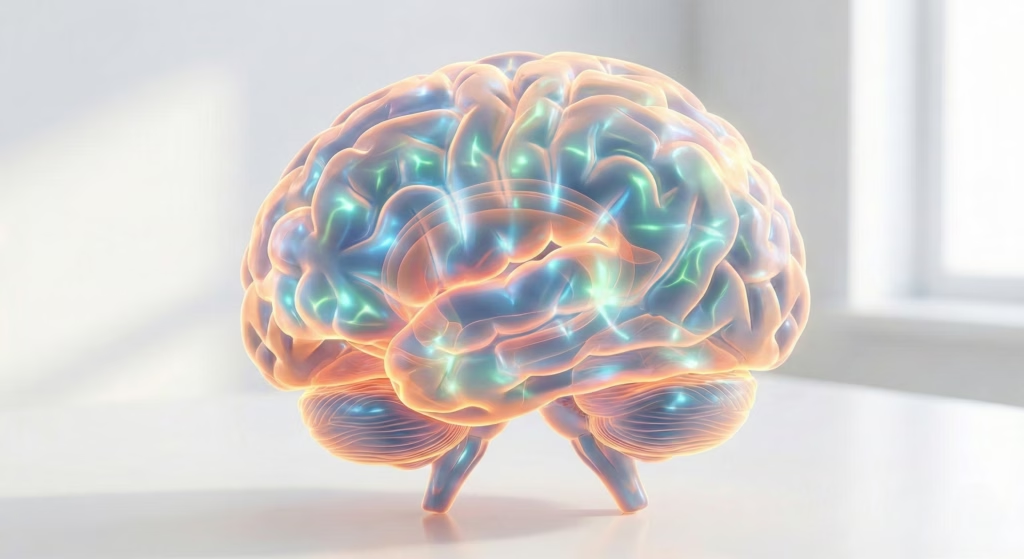
Kindness often feels like a small gesture, yet it carries a powerful psychological impact. When you hold a door open, offer a kind word, or help someone in need, something deeper happens inside the brain. These actions activate emotional and neurological systems designed to strengthen human connection. Kindness is not only a moral choice but also a biological experience that shapes how people think and feel.
The brain evolved to thrive in social groups, which means cooperation and care are deeply wired into human nature. When kindness occurs, the brain recognizes it as a positive social signal. This response encourages trust and safety, which are essential for emotional stability. Over time, repeated acts of kindness can influence personality, emotional health, and overall wellbeing.
The Brain Chemistry Behind Kindness
Kindness triggers the release of several important brain chemicals that influence mood and behavior. One of the most well known is oxytocin, often called the bonding hormone. Oxytocin helps people feel connected and reduces stress levels, making interactions feel warmer and more meaningful. This chemical response explains why kind actions often feel rewarding rather than draining.
Another chemical involved is dopamine, which plays a role in motivation and pleasure. When you do something kind, the brain releases dopamine as a form of reinforcement. This reward system encourages repeated behavior, making kindness feel good both emotionally and physically. Over time, this cycle can strengthen positive habits and emotional resilience.
How Kindness Reduces Stress and Anxiety
Stress narrows attention and pushes the brain into survival mode. Kindness does the opposite by calming the nervous system and promoting relaxation. When people engage in compassionate behavior, levels of cortisol, the stress hormone, tend to decrease. This shift allows the brain to move from a state of alertness to one of calm.
Lower stress levels improve emotional regulation and mental clarity. People who practice kindness regularly often report feeling less overwhelmed by daily challenges. This effect builds gradually, showing that kindness is not just an emotional response but a long term mental health strategy.
Kindness and Emotional Wellbeing
Kindness plays a major role in emotional balance. Acts of care create positive emotional feedback that strengthens feelings of happiness and contentment. When someone experiences kindness, their brain associates social interaction with safety and comfort.
Giving kindness can be just as powerful as receiving it. Helping others often leads to a sense of purpose and fulfillment. This emotional uplift can protect against feelings of loneliness and emotional exhaustion. Over time, kindness becomes a source of inner stability.
The Impact of Kindness on Brain Structure
Neuroscience suggests that repeated emotional experiences can reshape the brain. Kindness activates areas linked to empathy, decision making, and emotional regulation. With consistent practice, these regions can become more active and efficient.
This process is known as neuroplasticity, which refers to the brain’s ability to change through experience. When kindness becomes a habit, the brain adapts by strengthening the pathways associated with compassion. This change supports emotional growth and healthier social interactions.
Kindness and Social Connection
Human beings are wired for connection, and kindness strengthens social bonds. When people treat one another with care, trust grows naturally. This trust makes communication easier and relationships more meaningful.
Social connection also protects mental health. Feeling supported reduces the risk of anxiety and depression. Kindness acts as a bridge between individuals, helping them feel seen, valued, and understood.
The Role of Kindness in Emotional Intelligence
Emotional intelligence involves understanding emotions and responding effectively. Kindness enhances this skill by encouraging awareness of others’ feelings. When someone practices kindness, they become more attentive and emotionally responsive.
This awareness improves communication and conflict resolution. People who approach situations with kindness are more likely to listen rather than react impulsively. Over time, this emotional skill strengthens both personal and professional relationships.
How Kindness Shapes Self Perception
Kindness influences how people see themselves. Acts of compassion reinforce a sense of being a good and capable person. This positive self image supports confidence and self respect.
When individuals treat others kindly, they often experience increased self worth. The brain associates helpful behavior with personal value. This connection creates a healthier internal dialogue and reduces self criticism.
Kindness and Mental Health Recovery
Kindness can play a role in recovery from emotional struggles. Engaging in compassionate acts helps shift focus away from distressing thoughts. This shift can provide relief from rumination and negative thinking patterns.
People dealing with anxiety or low mood often find that helping others brings a sense of meaning. Kindness creates moments of connection that remind the brain it is not alone. These moments contribute to emotional healing over time.
The Ripple Effect of Kindness
One act of kindness often inspires another. When people witness kindness, their brains mirror the behavior and feel motivated to act similarly. This effect creates a chain reaction that spreads positivity within communities.
This ripple effect strengthens social bonds and fosters cooperation. Small gestures can influence group dynamics in powerful ways. Kindness becomes contagious because the brain responds to it as a rewarding experience.
Kindness in Daily Life
Kindness does not require grand gestures to be effective. Simple actions like listening attentively or offering encouragement have a strong psychological impact. These moments build emotional connection and reinforce positive habits.
In daily life, kindness can be practiced intentionally. Choosing patience over frustration or understanding over judgment helps create a calmer mental state. These choices gradually shape how the brain responds to stress and conflict.
Self Kindness and Mental Resilience
Self kindness is just as important as kindness toward others. Treating oneself with patience during failure supports emotional recovery. This practice reduces shame and encourages growth.
The brain responds to self kindness by lowering stress responses. This makes it easier to face challenges with clarity and confidence. Over time, self kindness builds resilience and emotional strength.
Kindness and Long Term Brain Health
Research suggests that kindness may support long term brain health. Positive emotional states contribute to healthier cognitive function as people age. Compassionate behavior keeps the brain engaged in meaningful social activity.
Social engagement and emotional connection are linked to better memory and mental flexibility. Kindness encourages both, making it a valuable habit for lifelong mental wellbeing.
Teaching Kindness and Emotional Growth
Kindness can be learned and strengthened through experience. Children who observe kind behavior are more likely to adopt it themselves. This learning shapes emotional development and social awareness.
Adults also benefit from practicing kindness intentionally. Each act reinforces emotional skills that improve relationships and self understanding. Over time, kindness becomes a natural response rather than a conscious effort.
Final Thoughts on Kindness and the Brain
Kindness is more than a moral ideal. It is a powerful force that shapes the brain, emotions, and relationships. Through chemical responses, emotional regulation, and social connection, kindness supports mental health in profound ways.
Every kind act leaves a mark on the brain, strengthening pathways associated with empathy and wellbeing. By choosing kindness regularly, people can nurture both their own mental health and the emotional health of others. Kindness proves that small actions can create meaningful change in the human mind and heart.