
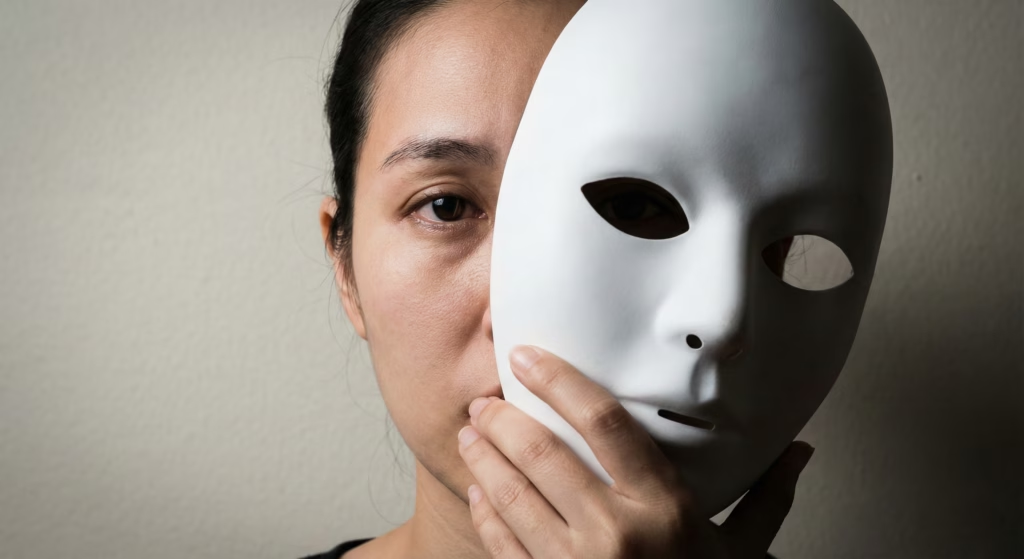
Most people think of lying as rare or extreme. Psychology tells a different story. Lying is surprisingly common and often subtle. It shows up in small ways like exaggerating politeness hiding feelings or avoiding conflict.
This does not mean people are bad. It means the human mind sometimes chooses protection over truth.
Lying Often Begins With Fear
Fear sits at the heart of many lies. Fear of punishment rejection disappointment or conflict can push someone to hide the truth.
Psychology explains that when the brain senses threat it looks for the fastest way to reduce discomfort. Lying becomes a shortcut to emotional safety even if it creates problems later.
The Desire to Be Accepted
Humans want to belong. When acceptance feels uncertain people may lie to appear more likable capable or confident.
Psychology shows that social approval strongly influences behavior. A lie can feel like a small adjustment to protect connection rather than an act of deception.
Lying as Self Protection
Some lies exist to protect personal boundaries. People may lie to avoid sharing something that feels too vulnerable.
Psychology recognizes that not all lies are meant to manipulate. Some are attempts to preserve privacy or emotional safety when honesty feels overwhelming.
Avoiding Conflict and Discomfort
Truth can lead to difficult conversations. Many people lie to avoid hurting others or creating tension.
Psychology explains that conflict avoidance often comes from past experiences where honesty led to negative outcomes. The mind learns that lying feels safer than confrontation.
Lying and Self Image
People care deeply about how they see themselves. When reality threatens that image lying can restore balance.
Psychology shows that some lies are told not just to others but to oneself. These self directed lies protect self esteem in the short term while delaying growth.
Habitual Lying and Emotional Patterns
For some people lying becomes a habit. This often develops in environments where honesty was punished or ignored.
Psychology explains that repeated lying can become automatic. The brain learns that deception works and stops evaluating alternatives.
The Role of Shame
Shame fuels many lies. When someone believes the truth will expose them as flawed they hide it.
Psychology highlights that shame makes honesty feel dangerous. Lying becomes a shield against feeling unworthy.
Lying and Power
Sometimes lying is about control. Withholding or altering truth can create advantage.
Psychology explains that when people feel powerless lying may restore a sense of agency. This is especially common in situations where honesty feels risky or ignored.
White Lies and Moral Conflict
Not all lies feel wrong to the person telling them. White lies are often justified as kindness.
Psychology shows that moral reasoning allows people to reframe lies as protection. The intention matters to the mind even if the outcome is complicated.
The Emotional Cost of Lying
Lying requires mental effort. Keeping track of stories creates stress.
Psychology explains that repeated lying increases anxiety and guilt. The mind stays alert to avoid being discovered which drains emotional energy.
Trust Suffers When Lies Accumulate
Even small lies affect trust over time. Trust relies on consistency between words and reality.
Psychology emphasizes that broken trust damages relationships because it disrupts emotional safety. The impact often exceeds the original issue.
Why Honesty Can Feel Hard but Healing
Honesty feels risky because it exposes vulnerability. Yet it also reduces inner tension.
Psychology shows that truth allows integration. The mind relaxes when it no longer needs to hide parts of itself.
Learning to Choose Truth
People choose honesty more easily when they feel safe. Support understanding and compassion reduce the need to lie.
Psychology encourages curiosity about lying rather than judgment. Asking why a lie felt necessary reveals unmet needs.
Lying Is a Signal Not a Definition
Lying does not define character. It signals fear desire or protection.
Understanding why people lie creates empathy without excusing harm. When motives are understood healthier choices become possible.
Truth grows where safety exists. When people feel accepted honesty becomes less frightening and more natural.