
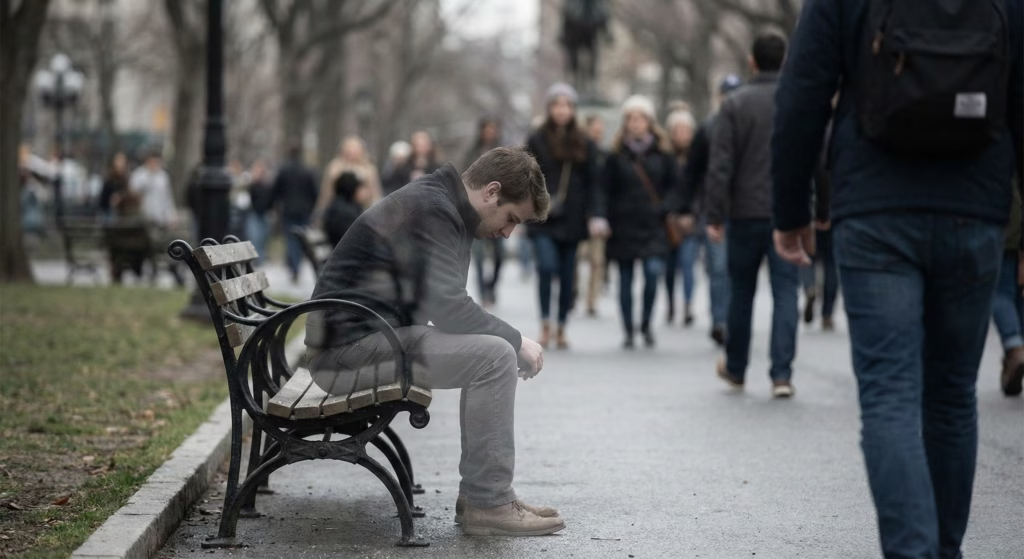
Rejection often lands like a direct message about worth. A missed reply a declined opportunity or a relationship ending can quickly turn into a story about who you are. Psychology explains that the mind is wired to personalize rejection because belonging has always mattered for survival.
The brain asks a simple question when rejection appears. Am I still accepted. That question carries emotional weight far beyond the situation itself.
The Brain Treats Rejection Like Pain
Rejection does not just sting emotionally. It activates brain areas linked to physical pain. This is why rejection can feel sharp heavy or lingering.
Psychology shows that the mind responds to social exclusion as a threat. The body reacts with stress responses that make the experience hard to ignore.
Self Esteem Acts as an Inner Shield
Self esteem is the way people evaluate their own value. When it is steady rejection hurts but does not define identity. When it is fragile rejection can feel crushing.
Psychology explains that self esteem helps filter experiences. A healthy sense of self allows the mind to say this hurts but it does not define me.
Why Some People Take Rejection Harder
People differ in how they process rejection. Past experiences play a large role. Early criticism neglect or inconsistent care can make rejection feel familiar and threatening.
Psychology shows that when rejection echoes earlier wounds it feels bigger than the present moment. The mind reacts to old pain as well as new.
Rejection Triggers Self Comparison
After rejection the mind often compares. Others seem more talented attractive or worthy.
Psychology explains that comparison is the brain searching for explanation. It tries to understand why rejection happened by measuring worth against others.
The Inner Critic Grows Louder
Rejection often amplifies the inner critic. Thoughts become harsher and less forgiving.
Psychology shows that this inner voice believes criticism will prevent future rejection. In reality it often deepens self doubt and emotional pain.
Rejection Can Shrink Confidence
Repeated rejection can slowly erode confidence. People may stop trying stop speaking up or avoid new connections.
Psychology explains that avoidance feels protective but reinforces the belief that rejection is dangerous. This limits growth and self trust.
Social Rejection Hits Identity
Rejection in relationships friendships or social groups impacts identity. People define themselves through connection.
Psychology emphasizes that losing a role or bond disrupts the sense of who someone is. The pain is about loss of belonging as much as loss of approval.
Rejection and the Need for Meaning
The mind searches for meaning after rejection. Why did this happen. What does it say about me.
Psychology shows that meaning making can help or harm. When rejection is framed as evidence of failure self esteem suffers. When framed as information self esteem can recover.
When Rejection Becomes Internalized
Sometimes rejection turns into a belief. I am not enough. This belief shapes future interactions.
Psychology explains that internalized rejection becomes a lens through which the world is seen. Neutral events feel rejecting even when they are not.
Self Compassion Softens the Impact
Self compassion changes how rejection affects self esteem. Speaking to oneself with kindness reduces emotional intensity.
Psychology shows that self compassion helps the nervous system calm. It creates space to process pain without self attack.
Rejection Does Not Equal Worth
Rejection reflects fit timing or circumstance more than value. Psychology emphasizes that rejection is a common human experience not a verdict.
Understanding this helps separate event from identity. The experience happened but it does not define who you are.
Growth Often Follows Rejection
Rejection can guide growth when processed gently. It can clarify values boundaries and direction.
Psychology views rejection as feedback rather than failure. Learning from it strengthens resilience and self understanding.
Healing Self Esteem Takes Time
Self esteem recovers through repeated experiences of self respect acceptance and effort.
Psychology reminds us that healing is gradual. Each moment of self kindness rebuilds trust in the self.
Rejection Hurts Because Connection Matters
Rejection affects self esteem because humans are wired to belong. Pain signals importance not weakness.
When rejection is understood with compassion its power fades. Self worth becomes rooted not in approval but in understanding and self respect.